
Last updated on October 18th, 2026 at 01:04 pm
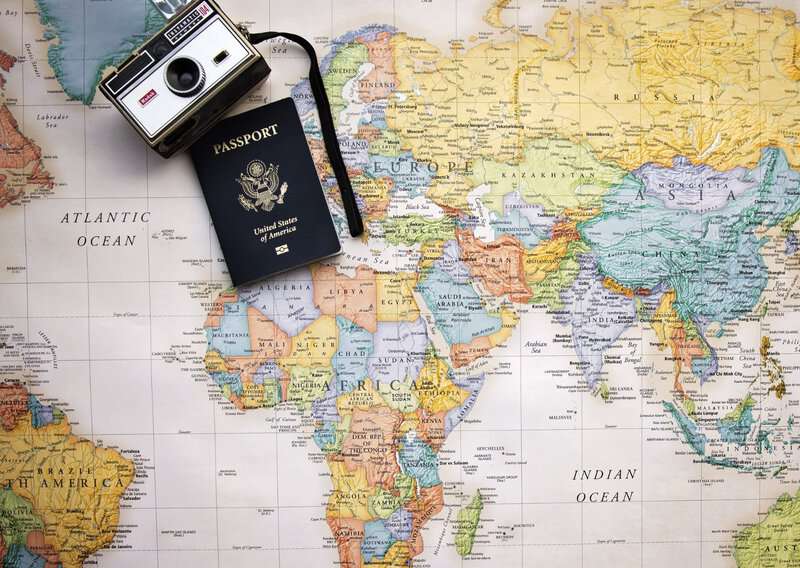
Your passport is one of the smallest things you pack, but it can cause some of the biggest travel problems. Travelers often spend weeks comparing flights, hotels, tours, and restaurants while barely checking the document that determines whether they can board the plane in the first place.
Many passport problems are surprisingly simple. Expiration dates, damaged pages, mismatched names, missing visas, or not having enough validity remaining can turn into serious issues at check-in or immigration. The frustrating part is that most of these problems are preventable if you notice them early enough.
The confusion comes from the fact that passport rules are not the same everywhere. One country may accept your document with only a short period remaining, while another may expect several months of validity beyond your planned stay. Airlines can also apply destination entry requirements during boarding, which means the problem may appear before you ever leave home.
Travelers also assume that having a valid passport automatically means they are ready to travel. In reality, validity is only one piece of the puzzle. Destination rules, visa requirements, blank pages, transit rules, and the condition of the passport can all matter depending on the trip.
That is why passport preparation should happen before booking anything expensive. A few minutes of checking the details early can prevent the kind of mistake that costs far more than a new passport ever would.
Read here Best eSim for International Travel and Best Travel Insurance Comparison
BOOK YOUR TRAVEL INSURANCE
Two of our favorite travel insurance: Heymondo Vs Safetwing cheapest travel Insurance. You can get for $135 USD your Heymondo Travel Insurance with Heymondo discount code valid for 90 days. Read our full comparison of Genki vs Safetywing Travel Insurance Review and the comparison Heymondo vs Genki
Quick & Easy Tips
Check expiration dates early some countries require 6+ months validity.
Keep it dry and undamaged avoid bending, tearing, or water damage.
Store it securely use a money belt or hotel safe when not in use.
Scan and back it up digital copies help if it’s lost or stolen.
Know visa requirements some countries require blank pages for stamps.
The controversial truth is that many travelers treat passport rules like minor bureaucracy until the day those rules stop them from boarding a flight. People will spend thousands on airfare, hotels, and tours, then assume that a passport with a valid-looking date is automatically good enough. That false sense of security is where expensive mistakes begin.
Another uncomfortable reality is that airlines often become the first line of enforcement. Travelers sometimes blame border officials for strict document rules, but the problem can surface before departure because airlines may refuse boarding if they believe a passenger does not meet destination requirements. By the time this happens at the check-in counter, there may be very little anyone can do.
There is also a tendency to trust outdated travel advice because passport rules feel permanent. They are not. Entry requirements, visa policies, transit rules, and validity expectations can change, which means advice from a friend who traveled two years ago may no longer apply to your trip.
The biggest misconception is that a passport is just identification. In international travel, it is part of a larger system that includes destination rules, visas, entry authorizations, airline checks, and sometimes proof of onward travel. Ignoring that bigger picture is how a simple oversight becomes a canceled vacation.
The real controversy is that many so-called “passport disasters” are not random bad luck at all. They are often the result of assumptions, last-minute planning, or relying on incomplete information. Travelers do not need to panic, but they do need to stop treating passport requirements as something to check the night before departure.
Mistakes To Avoid with your Passport
1. Failing to Check the Expiry Date
- Mistake: Traveling with a passport that is close to expiring.
- Consequence: Many countries require that your passport be valid for at least six months beyond the date of your entry.
- Prevention: Renew your passport well in advance if it has less than six months validity left.
2. Not Having Enough Empty Pages
- Mistake: Not having enough visa pages available in your passport.
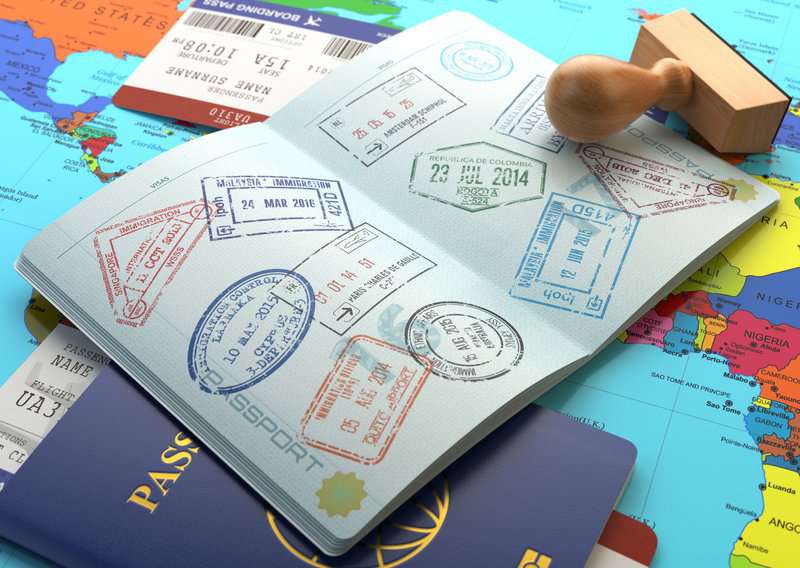
- Consequence: Some countries require at least one or two blank pages for stamps upon entry and exit.
- Prevention: Check your passport pages and get additional pages added or renew your passport if necessary.
3. Forgetting to Make Copies
- Mistake: Not having a copy of your passport.
- Consequence: Losing your passport without any copies can complicate the process of getting a replacement while abroad.
- Prevention: Make both digital and physical copies of your passport’s photo page. Store a copy online that you can access from anywhere and keep a physical copy separate from your actual passport.
4. Carrying It Everywhere
- Mistake: Taking your passport with you everywhere while traveling.
- Consequence: Risk of losing it or having it stolen when carrying it unnecessarily.
- Prevention: Use a hotel safe or other secure place to store your passport and carry a photocopy or digital copy for ID purposes.
Read Here Best VPN for Digital Nomads
5. Neglecting to Secure It
- Mistake: Not using a protective cover or secure location for your passport.
- Consequence: Physical damage or loss.
- Prevention: Use a waterproof passport cover and carry it in a secure, zipped pocket or a travel pouch under your clothes.
6. Exposing It to Elements
- Mistake: Exposing your passport to water, humidity, or excessive heat.
- Consequence: Damage that can render the passport unusable.
- Prevention: Always keep your passport in a dry, cool place away from the elements.
7. Ignoring Visa Requirements
- Mistake: Assuming you don’t need a visa for travel.
- Consequence: Being denied entry into the destination country.
- Prevention: Always check visa requirements for your destination well ahead of your travel date.
8. Failing to Report Loss/Theft Immediately
- Mistake: Not reporting a lost or stolen passport immediately.
- Consequence: Potential for identity theft and unauthorized use.
- Prevention: Notify the nearest embassy or consulate and local authorities as soon as you discover your passport is missing.
Why You Should Take Passport Rules Seriously
You should take passport requirements seriously because airlines can refuse boarding when documents do not meet the destination’s entry rules. That means the mistake can end your trip before you even reach immigration.
Checking expiration dates early also gives you time to renew without stress. Waiting until the week before departure can leave you depending on expedited processing, emergency appointments, or costly changes to your travel plans.
You should also verify that the name on your booking matches your passport. Small differences can create unnecessary complications, especially when airlines, border authorities, and visa systems are all comparing the same information.
Protecting the physical passport matters too. Water damage, torn pages, loose covers, or other visible damage can raise questions about whether the document is still valid. Keeping it secure and in good condition is one of the easiest travel precautions you can take.
Most importantly, researching requirements before departure prevents assumptions from becoming expensive mistakes. Entry rules can change, and different destinations can have very different expectations. Checking official sources before you travel is far easier than trying to solve a documentation problem at the airport.
Why You Should Not Take It Too Seriously
You should not become so worried about your passport that every trip starts to feel stressful. Most travelers who check the basic requirements in advance will never experience a serious passport problem.
Not every warning you see online applies to every destination. Travel advice is often written broadly, while passport rules can depend on nationality, country of arrival, trip length, and even where you are connecting. Context matters.
You also should not assume that every minor imperfection makes a passport unusable. A small cosmetic mark is very different from serious damage that affects identification or security features. When in doubt, official guidance is more useful than alarming travel stories.
There is also no need to carry your passport everywhere unless local rules or your specific situation require it. In some places, keeping the original document secure and carrying another accepted form of identification may be more practical.
Finally, do not let passport anxiety stop you from traveling internationally. The rules can look complicated when listed together, but most trips only require a few basic checks. Preparation should make travel easier, not more intimidating.
Final Thoughts
Passport mistakes are frustrating because they are often discovered at the worst possible moment. A problem that could have been fixed months earlier can suddenly become urgent when you are standing at an airline counter.
The easiest solution is to make passport checks part of the beginning of your travel planning. Look at the expiration date, confirm the name, review destination requirements, and make sure the document is in good condition before spending heavily on the trip.
It is also worth checking again shortly before departure. Travel requirements can change, especially when visas, entry authorizations, or transit rules are involved.
At the same time, there is no reason to treat international travel like a documentation minefield. Most passport problems are manageable when you give yourself enough time and rely on current official information rather than assumptions.
In the end, the best passport strategy is simple: check early, verify the rules, protect the document, and then stop worrying about it. Once those basics are covered, you can focus on the part of travel that is actually supposed to be enjoyable.

About the Author: Ruben, co-founder of Gamintraveler.com since 2014, is a seasoned traveler from Spain who has explored over 100 countries since 2009. Known for his extensive travel adventures across South America, Europe, the US, Australia, New Zealand, Asia, and Africa, Ruben combines his passion for adventurous yet sustainable living with his love for cycling, highlighted by his remarkable 5-month bicycle journey from Spain to Norway. He currently resides in Spain, where he continues sharing his travel experiences with his partner, Rachel, and their son, Han.