

Thailand is one of the easiest countries in Asia to fall in love with, but that does not mean every social rule will feel intuitive to first-time visitors. Many travelers arrive focused on beaches, temples, food, and nightlife, then realize that everyday behavior matters just as much as the itinerary. Small things that feel completely normal at home can carry a different meaning in Thailand.
That is where cultural mistakes usually happen. They are rarely dramatic or intentional. A tourist may point with their feet, speak too loudly, touch someone’s head, dress too casually at a temple, or become visibly angry in public without realizing how those actions are being interpreted. None of these mistakes automatically ruins a trip, but they can change the tone of an interaction.
Thailand also has a reputation for being extremely welcoming, which can make travelers assume almost anything will be forgiven. In many cases, people are patient with visitors, but patience should not be confused with approval. Locals may choose not to confront a tourist directly even when the behavior is considered rude.
The goal is not to memorize a giant list of rules before landing. It is to understand the few habits that reflect deeper values around respect, religion, hierarchy, public behavior, and social harmony. Once those principles make sense, many of the individual rules become much easier to remember.
Knowing what not to do can actually make Thailand feel less intimidating, not more. When you understand the basics, you can relax and enjoy the country without constantly wondering whether you are accidentally offending someone.
Read here Thai breakfast and things to know before visiting Thailand
BOOK YOUR TRAVEL INSURANCE
Two of our favorite travel insurance: Heymondo Vs Safetwing cheapest travel Insurance. You can get for $135 USD your Heymondo Travel Insurance with Heymondo discount code valid for 90 days. Read our full comparison of Genki vs Safetywing Travel Insurance Review and the comparison Heymondo vs Genki
Travel Tips for Thailand
Learn Basic Thai Phrases: Words like “Sawasdee” (hello) and “Khop Khun” (thank you) go a long way.
Respect Timeliness: Thai culture can be laid-back, but punctuality is appreciated in formal settings.
Be Mindful of the Environment: Avoid littering and respect Thailand’s natural beauty.
Always Show Respect to Monks and Religious Sites — Dress modestly, remove your shoes when required, and never touch a monk if you’re a woman.
Avoid Touching Anyone’s Head — The head is considered the most sacred part of the body in Thai culture, so even friendly gestures can offend.
Keep Your Cool — Losing your temper in public is seen as a loss of face and is frowned upon; always remain calm in disagreements.
Be Mindful with Your Feet — Pointing your feet at people or sacred objects is highly disrespectful.
Use the Wai Gesture Correctly — The traditional Thai greeting is more than a hello; use it appropriately to show respect, especially to elders and officials.
The controversial truth is that some tourists expect Thailand to tolerate behavior they would never attempt at home. Cheap drinks, resort areas, and a relaxed vacation atmosphere can create the illusion that normal social boundaries disappear. They do not. Thailand may feel informal in some settings, but respect still matters.
Another uncomfortable truth is that visitors sometimes mistake politeness for permission. Thai communication can be indirect, and people may avoid open confrontation. That means a local smiling or saying very little does not necessarily mean they are comfortable with what is happening. Travelers who rely only on obvious criticism can miss quieter social cues.
There is also a double standard in the way tourists judge unfamiliar customs. Some travelers call Thai etiquette overly strict while expecting visitors to follow rules in churches, restaurants, offices, or private homes back in their own countries. Cultural rules always look stranger when they belong to someone else.
At the same time, Thailand is sometimes romanticized as a perfectly harmonious culture where everyone follows tradition. That is not realistic either. Younger people, urban residents, rural communities, and different regions can all have different attitudes. Etiquette guides describe broad tendencies, not one fixed way every Thai person behaves.
The real controversy is that many travel mistakes come from entitlement more than ignorance. Not knowing every custom is normal. Refusing to adjust after learning one is different. Most locals do not expect perfection from visitors, but they do notice the difference between someone who is trying and someone who assumes their own habits should work everywhere.
Things Not to Do in Thailand
1. Don’t Disrespect the Monarchy
Why It’s Important:
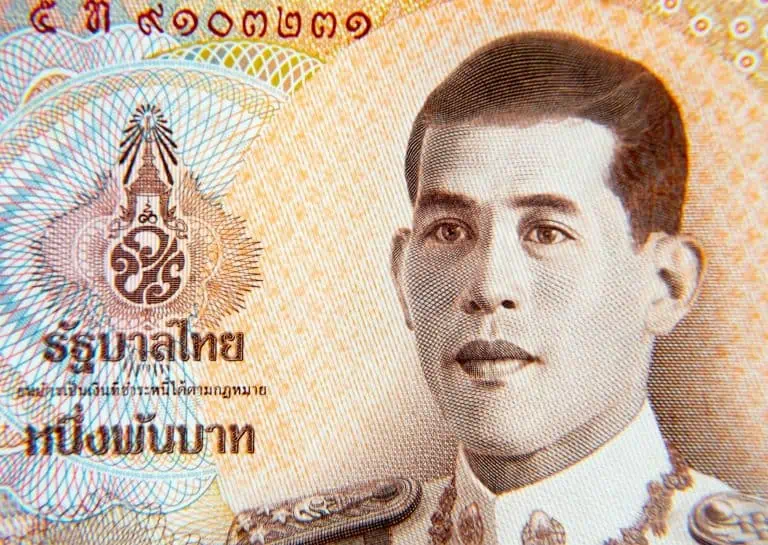
The Thai royal family is deeply revered, and any disrespect toward them is a serious offense, punishable by law under lèse majesté.
What to Avoid:
Making negative comments about the king, queen, or royal family.
Defacing currency (it bears the king’s image).
Criticizing or joking about the monarchy in any way.
Tip:
If a royal anthem is played in public, stand silently as a sign of respect.
2. Don’t Touch People’s Heads
Why It’s Important:
In Thai culture, the head is considered the most sacred part of the body.
What to Avoid:
Patting or touching someone’s head, even in a friendly way.
Ruffling children’s hair unless you are very familiar with the family.
Tip:
Apologize immediately if you accidentally touch someone’s head.
3. Don’t Point Your Feet
Why It’s Important:
Feet are considered the lowest and dirtiest part of the body in Thai culture.
What to Avoid:
Pointing your feet at people or sacred objects, such as Buddha statues.
Sitting with your feet up on chairs or tables.
Tip:
When sitting, tuck your feet beneath you or point them away from people and objects of respect.
4. Don’t Be Disrespectful at Temples
Why It’s Important:
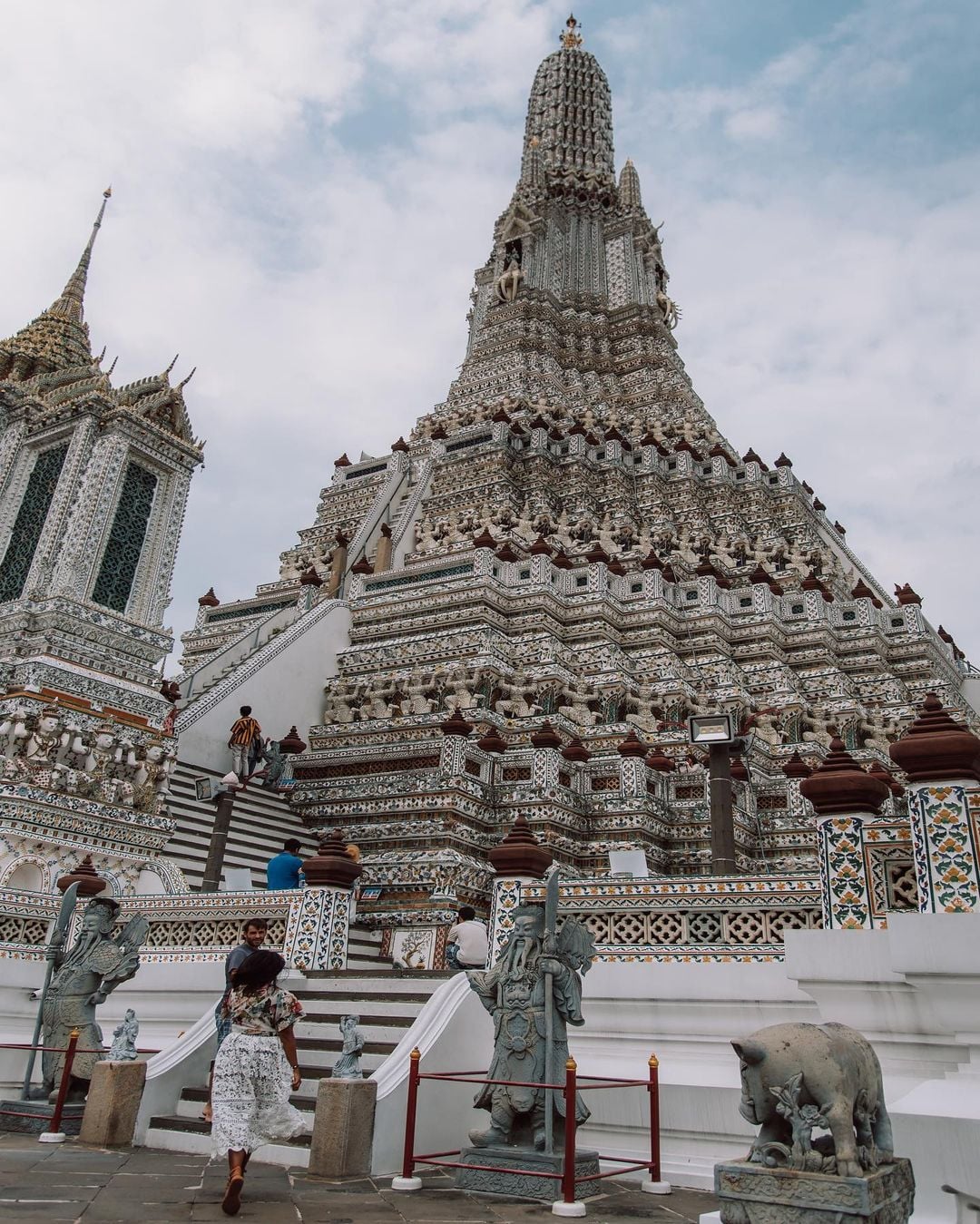
Temples are sacred spaces, and improper behavior is seen as highly disrespectful.
What to Avoid:
Wearing revealing clothing like shorts, tank tops, or miniskirts.
Taking selfies with Buddha statues in disrespectful poses.
Entering restricted areas or standing on temple platforms meant only for monks.
Tip:
Dress modestly (cover your shoulders and knees), remove your shoes before entering, and avoid loud behavior.
5. Don’t Publicly Display Affection
Why It’s Important:
Public displays of affection are considered inappropriate in Thai culture.
What to Avoid:
Kissing, hugging, or other overt displays of affection in public.
Tip:
A simple hand-holding gesture is acceptable, but anything more intimate should be avoided.
6. Don’t Lose Your Temper
Why It’s Important:
Thai culture values “saving face” and remaining calm, even in frustrating situations.
What to Avoid:
Raising your voice, arguing loudly, or showing anger in public.
Tip:
Take a deep breath and remain polite; you’ll find that patience often resolves issues more effectively.
7. Don’t Use Your Left Hand for Giving or Eating
Why It’s Important:
In Thai culture, the left hand is considered unclean as it is traditionally used for personal hygiene.
What to Avoid:
Handing someone objects or food with your left hand.
Tip:
Use your right hand or both hands when passing or receiving items.
8. Don’t Ride Motorbikes Without a Helmet
Why It’s Important:
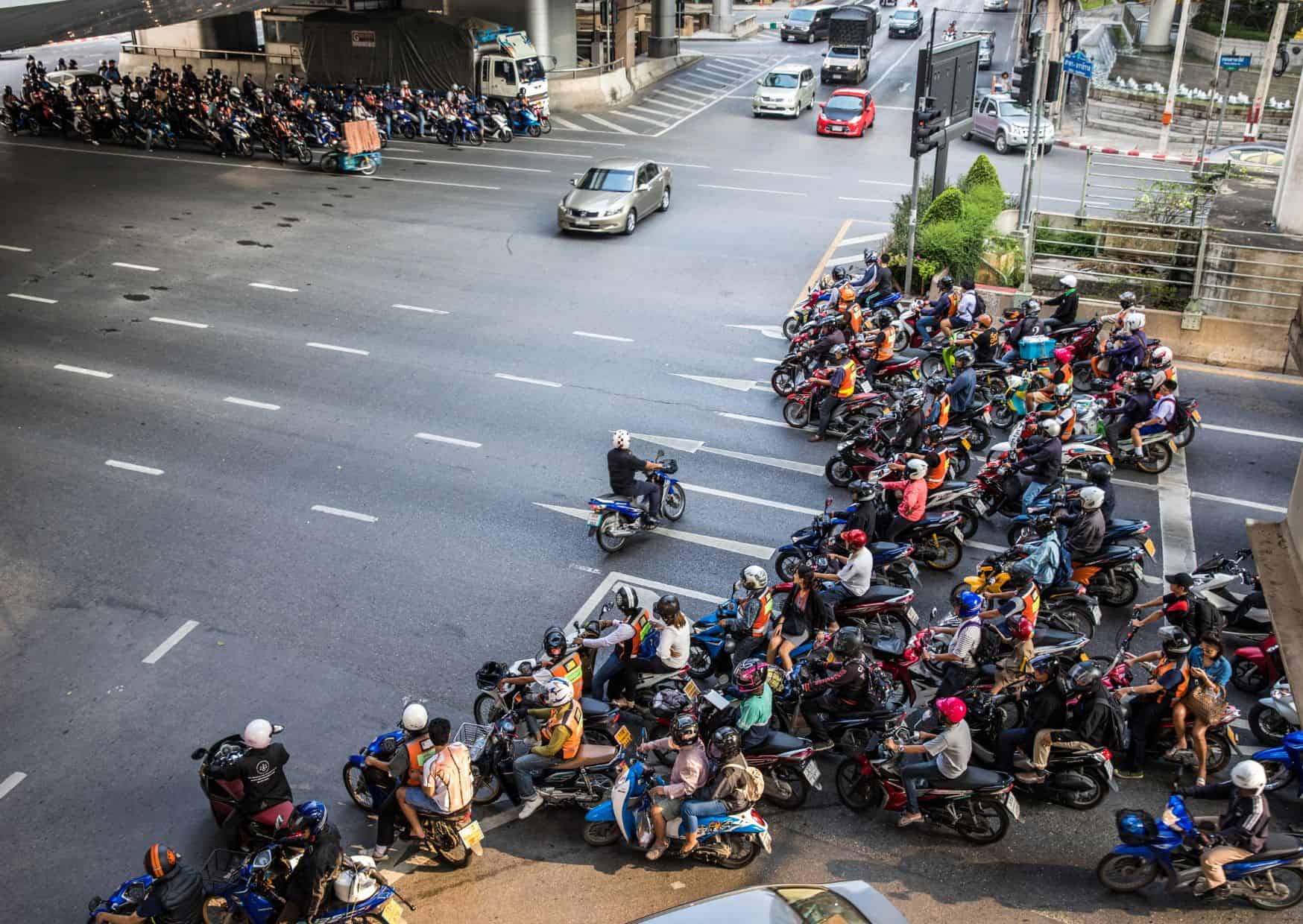
Riding motorbikes is common in Thailand, but accidents are frequent, and not wearing a helmet can lead to fines or injuries.
What to Avoid:
Riding without a helmet or proper license.
Tip:
Always wear a helmet, even for short trips, and ensure you have travel insurance.
9. Don’t Drink Tap Water
Why It’s Important:
Tap water in Thailand is not safe for drinking.
What to Avoid:
Drinking tap water or using it to brush your teeth (unless it’s boiled or filtered).
Tip:
Stick to bottled water, which is widely available and inexpensive.
10. Don’t Disrespect Buddha Images
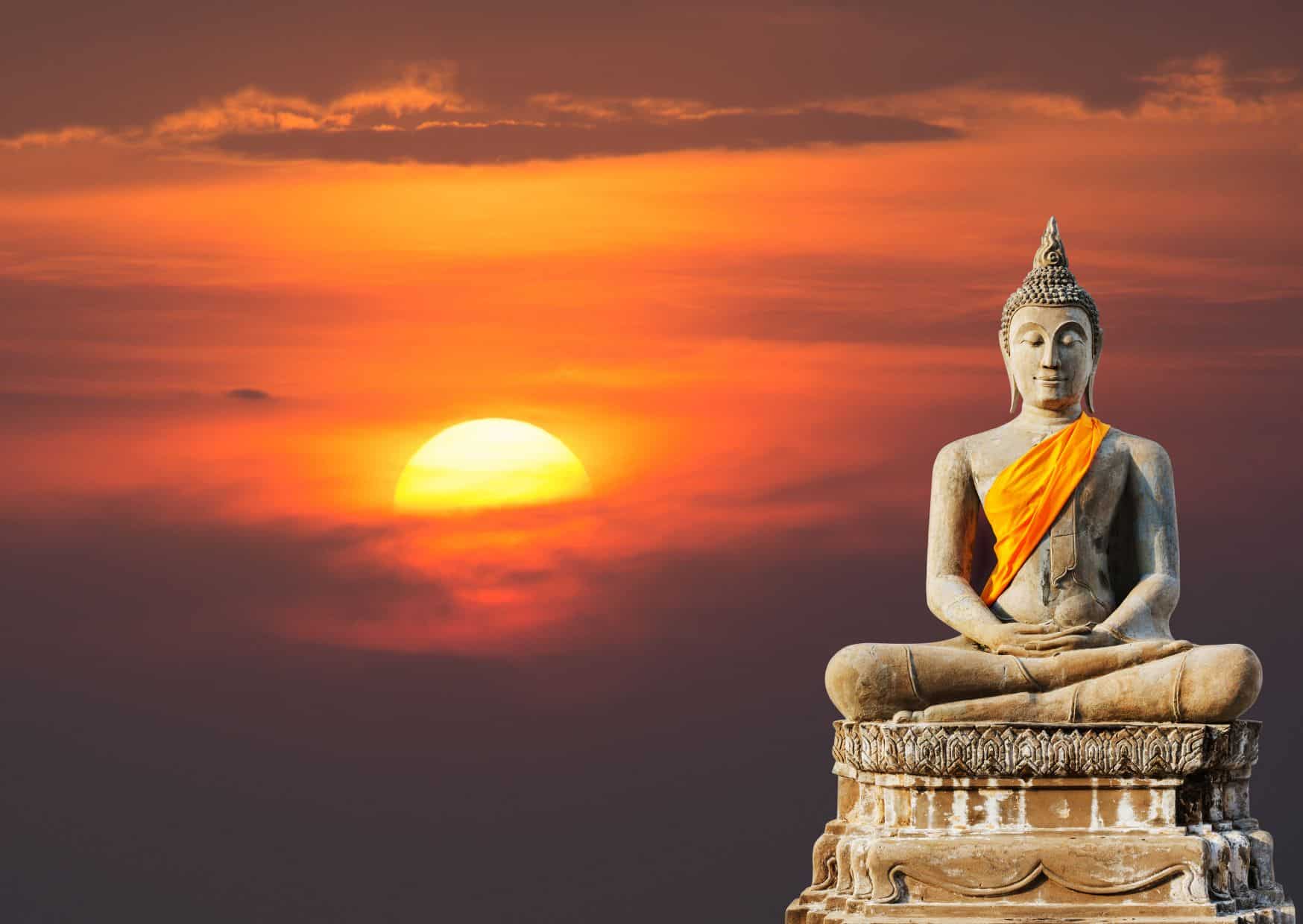
Why It’s Important:
Buddha statues and images are sacred, and misusing or mishandling them is considered offensive.
What to Avoid:
Climbing on statues for photos.
Purchasing Buddha statues or images as decorative items if you don’t intend to use them respectfully.
Tip:
Treat all representations of Buddha with reverence.
11. Don’t Bargain Aggressively
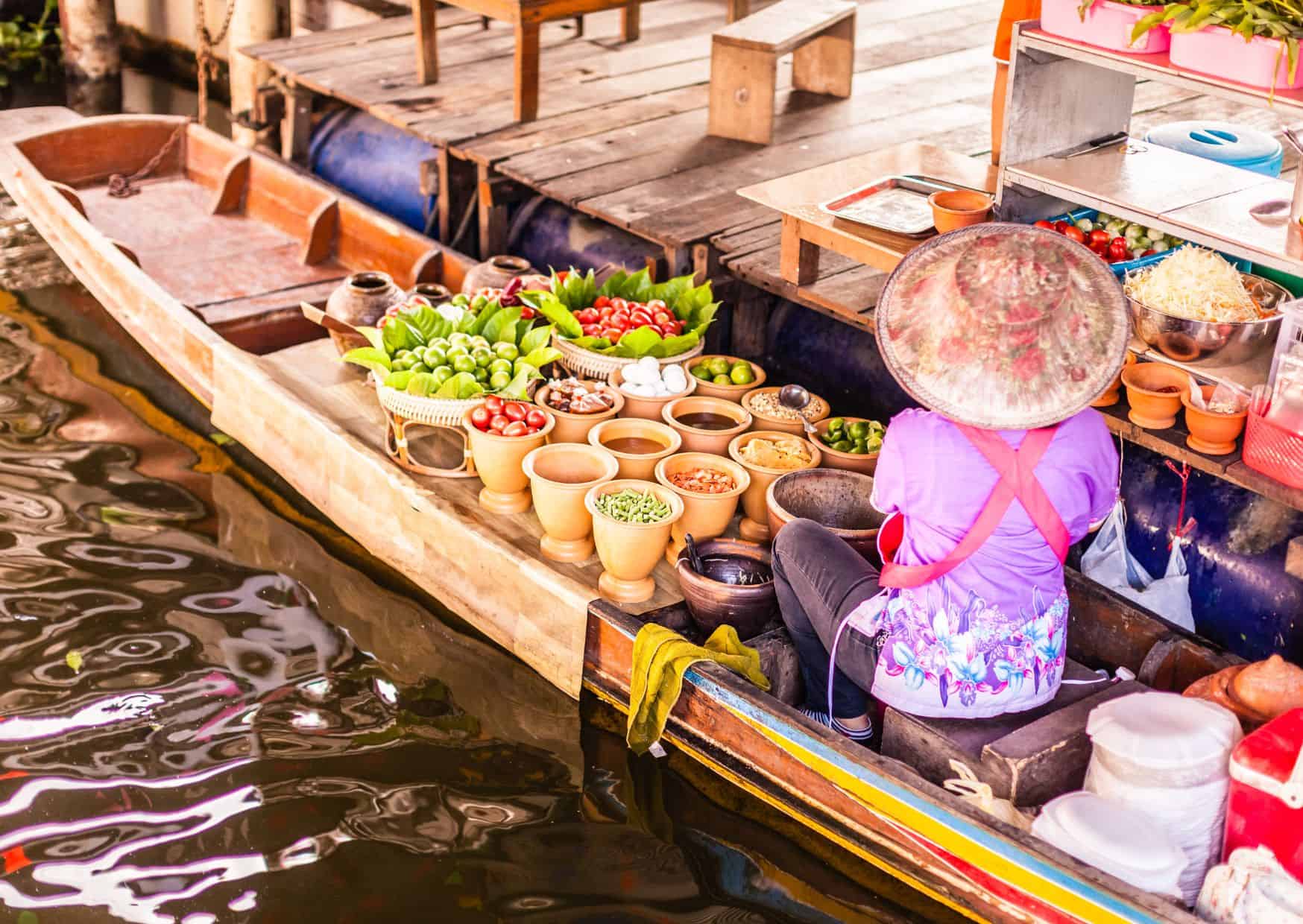
Why It’s Important:
While bargaining is common in markets, it should be done respectfully.
What to Avoid:
Lowballing or haggling excessively, especially in stores with fixed prices.
Tip:
Start with a polite counteroffer and negotiate in good humor. Walk away if you can’t agree.
12. Don’t Take Photos of Monks Without Permission
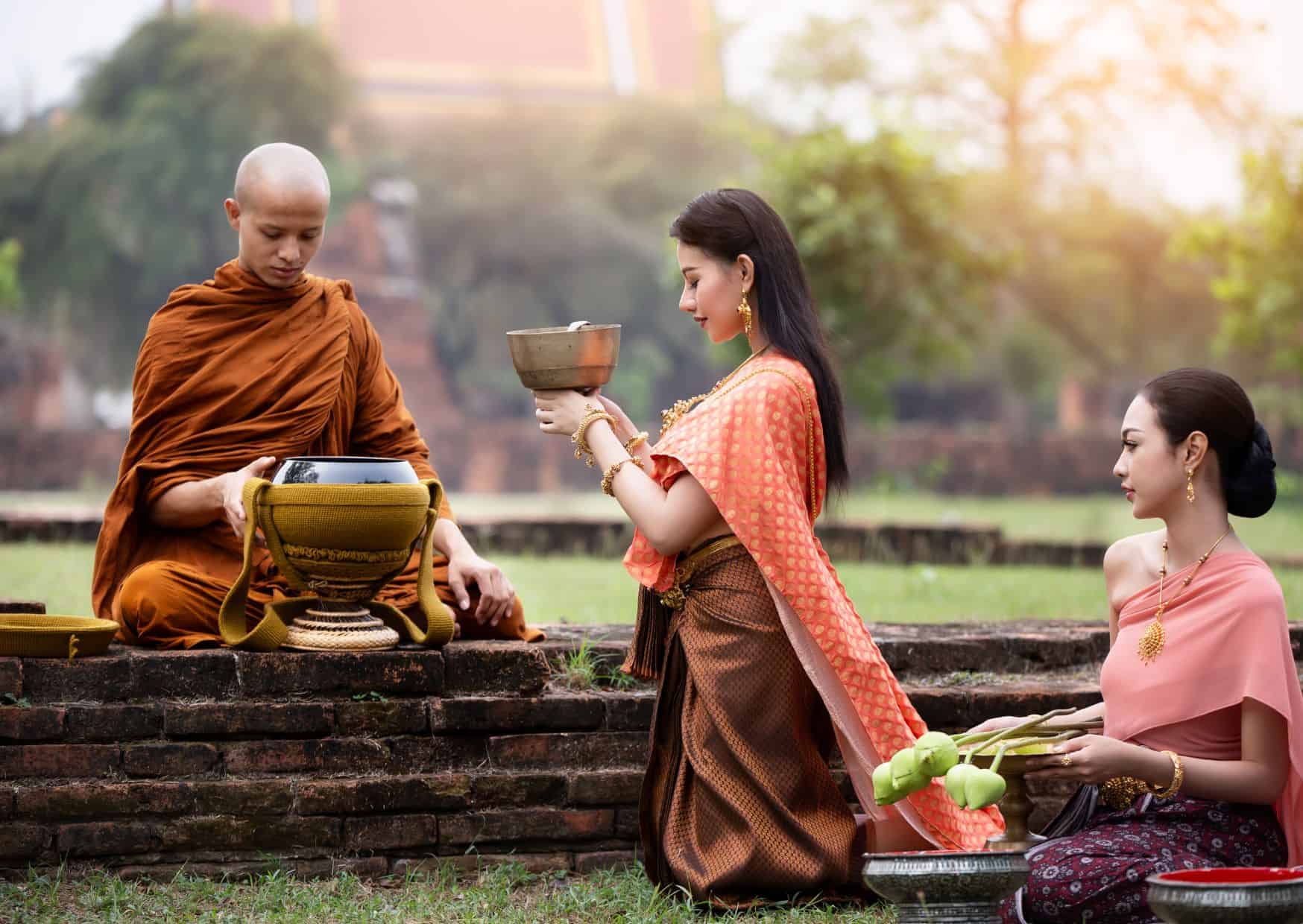
Why It’s Important:
Monks are highly respected, and taking unsolicited photos can be intrusive.
What to Avoid:
Photographing monks without asking or interrupting their activities.
Tip:
Politely ask for permission before taking photos, and avoid physical contact with monks.
13. Don’t Disregard Dress Codes
Why It’s Important:
Many places, including temples and royal sites, have strict dress codes.
What to Avoid:
Wearing tank tops, shorts, or flip-flops in restricted areas.
Tip:
Carry a lightweight scarf or shawl to cover up when needed.
14. Don’t Engage in Illegal Activities
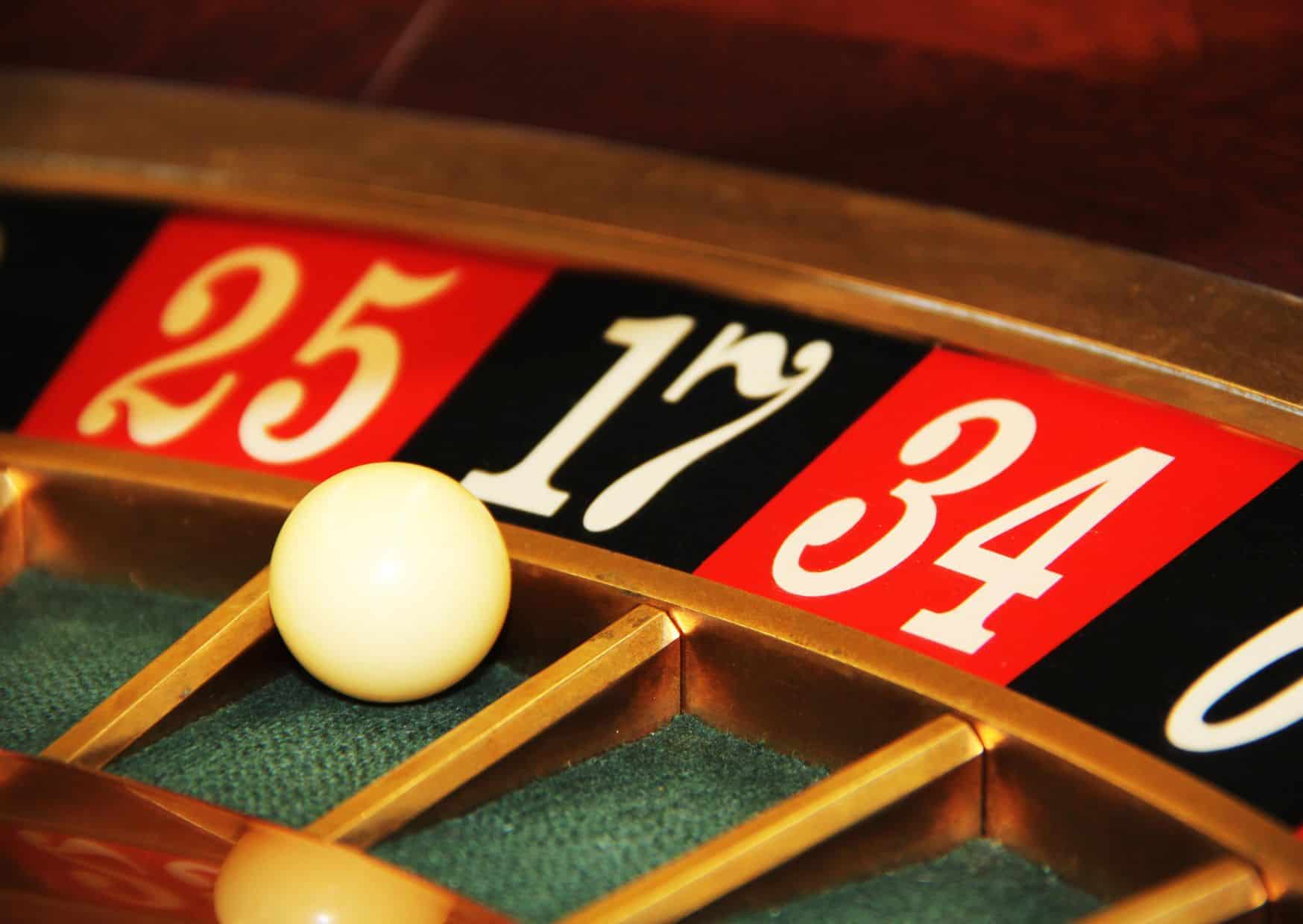
Why It’s Important:
Thai laws are strict, especially regarding drugs and gambling.
What to Avoid:
Possession or use of illegal substances, which can lead to severe penalties, including imprisonment.
Participating in unauthorized gambling, which is illegal.
Tip:
Familiarize yourself with local laws and avoid risky behavior.
15. Don’t Ignore Local Customs
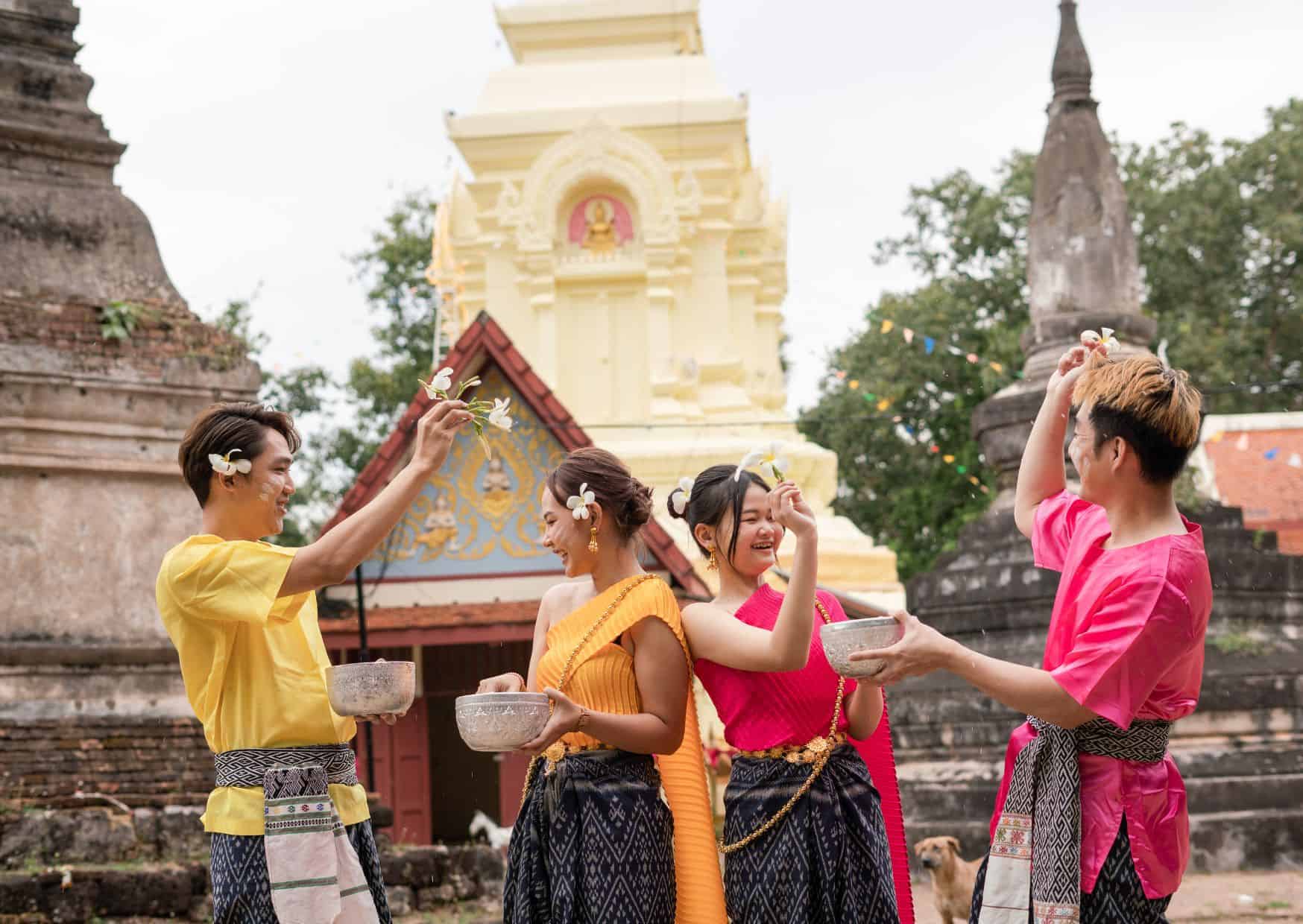
Why It’s Important:
Understanding local customs ensures a respectful and enjoyable trip.
What to Avoid:
Forgetting to wai (a traditional Thai greeting) when appropriate.
Overlooking the importance of removing shoes before entering someone’s home or certain establishments.
Tip:
Observe how locals behave and follow their lead.
Why You Should Follow These Rules
You should follow basic Thai etiquette because it makes interactions smoother almost immediately. Dressing appropriately in temples, speaking calmly, and showing respect around religious spaces are simple adjustments that signal awareness. You do not need perfect cultural knowledge to make a good impression.
Following local norms can also help you avoid unnecessary conflict. Public anger, aggressive bargaining, or confrontational behavior can make situations worse. Staying calm and respectful often gets better results than pushing harder, especially when a misunderstanding is minor.
You should also pay attention to body language. Feet and the head carry different cultural associations than many Western travelers are used to. Small habits such as where you point, how you sit, or whether you touch someone can matter more than expected. These are easy things to adapt once you know about them.
Respecting local rules can also improve your travel experience because people are more likely to respond warmly when they feel respected. That may mean better conversations, more patience, and a greater willingness to help. Cultural awareness creates goodwill.
Most importantly, following local expectations reminds you that travel is not only about what you want to see. You are entering someone else’s social environment. Adjusting a few habits is a small price to pay for being welcomed into another culture.
Why You Should Not Take It Too Seriously
You should not travel through Thailand terrified of making a mistake. Most locals understand that visitors come from different cultures, and small errors are usually treated very differently from deliberate disrespect. One awkward moment is not going to destroy your trip.
You also do not need to treat every etiquette tip as a rigid law. Context matters. Behavior that is expected in a temple may not matter at a beach bar, and what feels formal in one setting may be relaxed in another. Social rules change with the situation.
There is no need to pretend to understand every custom perfectly either. Trying too hard to perform local behavior can sometimes look more awkward than simply being polite. A sincere effort is usually better than forced imitation.
You should also avoid turning Thailand into a checklist of potential offenses. That can make normal social interactions feel stressful. The point of learning etiquette is to reduce friction, not to make you hyperaware of every movement.
Finally, remember that tourists are allowed to be tourists. You can ask questions, be curious, and occasionally get things wrong. Respect matters more than flawless execution.
Final Thoughts
Thailand becomes much easier to enjoy once you understand that most etiquette rules come back to a few basic ideas: respect, calmness, awareness of others, and sensitivity to religious and social spaces. You do not need to memorize everything if you understand those principles.
The best travelers are not the ones who never make mistakes. They are the ones who notice, adjust, and move on without becoming defensive. That attitude matters far more than perfect knowledge.
It also helps to remember that Thailand is not one single cultural experience. Bangkok, Chiang Mai, Phuket, small towns, islands, and rural areas can all feel different. What seems common in one place may matter less somewhere else.
Some of the customs that surprise you may eventually become the parts of the trip you remember most. Culture shock is often uncomfortable at first, but it is also one of the reasons travel changes the way people see everyday life.
In the end, do not approach Thailand like a test you need to pass. Learn the important rules, stay observant, treat people with respect, and relax. If you do that, you are already avoiding most of the mistakes that matter.

About the Author: Ruben, co-founder of Gamintraveler.com since 2014, is a seasoned traveler from Spain who has explored over 100 countries since 2009. Known for his extensive travel adventures across South America, Europe, the US, Australia, New Zealand, Asia, and Africa, Ruben combines his passion for adventurous yet sustainable living with his love for cycling, highlighted by his remarkable 5-month bicycle journey from Spain to Norway. He currently resides in Spain, where he continues sharing his travel experiences with his partner, Rachel, and their son, Han.