
Business class looks like one of those travel experiences reserved for executives, celebrities, and people willing to spend several thousand dollars on a flight. Lie-flat seats, lounge access, priority boarding, better meals, and more space can make economy feel like a completely different product.
The surprising part is that not everyone sitting in business class paid the full cash price. Some travelers use points, airline miles, upgrade offers, companion deals, repositioning flights, mistake fares, or discounted premium tickets to reduce the cost dramatically.
That does not mean business class is suddenly cheap. It means pricing is complicated, and the passenger sitting beside you may have paid a completely different amount for the same seat. Knowing how airlines price premium cabins can create opportunities that are easy to miss.
Flexibility matters more than almost anything else. Travelers who can change dates, depart from a different airport, use miles strategically, or accept an unusual routing often have a better chance of finding premium seats at a lower effective cost.
The goal is not to chase business class on every trip. It is to recognize when the upgrade actually makes sense and when the numbers are good enough to justify it. The best deal is not necessarily the cheapest ticket; it is the one that gives you significantly more comfort without destroying your travel budget.
Read here Best eSim for International Travel and Best Travel Insurance Comparison
BOOK YOUR TRAVEL INSURANCE
Two of our favorite travel insurance: Heymondo Vs Safetwing cheapest travel Insurance. You can get for $135 USD your Heymondo Travel Insurance with Heymondo discount code valid for 90 days. Read our full comparison of Genki vs Safetywing Travel Insurance Review and the comparison Heymondo vs Genki
Quick Easy Tips
Check upgrade bidding systems many airlines let you place a bid for business class seats that often costs far less than buying directly.
Use credit cards that offer travel rewards and transfer points to airline partners to unlock premium seats.
Search for mistake fares and flash sales through deal-finding websites or newsletters they disappear quickly but can save thousands.
The controversial truth is that business class pricing often has very little to do with what the seat actually costs the airline to provide. Two passengers in the same cabin can pay radically different prices because one booked early, another used miles, and someone else accepted a last-minute upgrade.
Another uncomfortable reality is that airlines benefit when travelers assume premium cabins are permanently out of reach. Many people never check upgrade offers, award availability, or nearby airports because they assume the answer will always be expensive. Sometimes the biggest barrier is simply not looking.
There is also a tendency to romanticize points and miles as free travel. They are not always free. Credit card fees, spending requirements, taxes, surcharges, and the opportunity cost of using points elsewhere can all matter. A redemption can look incredible while still being poor value.
Business class is also not equally valuable on every route. Paying a premium for a short daytime flight may make little sense, while a lie-flat seat on an overnight long-haul flight can materially change how rested you feel when you arrive. The product only matters when the context makes it worthwhile.
The real controversy is that luxury air travel is often less about being rich and more about understanding pricing systems. Wealth helps, of course, but flexibility, timing, miles, and knowing when to say no can put travelers into premium cabins for far less than the person who simply clicked the first business fare they saw.
Tricks to Fly in Business Class for Less
Flying business class is often seen as an unattainable luxury, but learning how to access it affordably can transform the entire travel experience. Long-haul flights are physically demanding, and the added comfort of wider seats, better sleep, and quieter cabins has a real impact on how you arrive. Starting a trip well-rested changes everything from jet lag to first impressions.
Beyond comfort, business class often saves time. Priority check-in, security lanes, and boarding reduce stress at every stage of travel. For frequent or long-distance travelers, these small efficiencies add up, making trips feel smoother and more controlled rather than rushed and exhausting.
Cost-conscious business class strategies also encourage smarter travel planning. Instead of paying full price impulsively, these hacks reward flexibility, timing, and awareness. Travelers learn to think strategically about routes, seasons, and loyalty programs, turning airfare into a manageable expense rather than a splurge.
Another reason to pursue these hacks is value. When business class becomes accessible at a fraction of the usual cost, the return on investment increases dramatically. Meals, baggage, lounge access, and comfort are bundled into one ticket, often replacing multiple paid upgrades economy travelers end up purchasing anyway.
Finally, understanding how to access business class affordably shifts your mindset around travel. It replaces the idea of deprivation with optimization. Instead of settling for discomfort or overspending, you learn to travel smarter arriving calmer, healthier, and ready to enjoy the destination from the moment you land.
1. Use Frequent Flyer Miles and Points
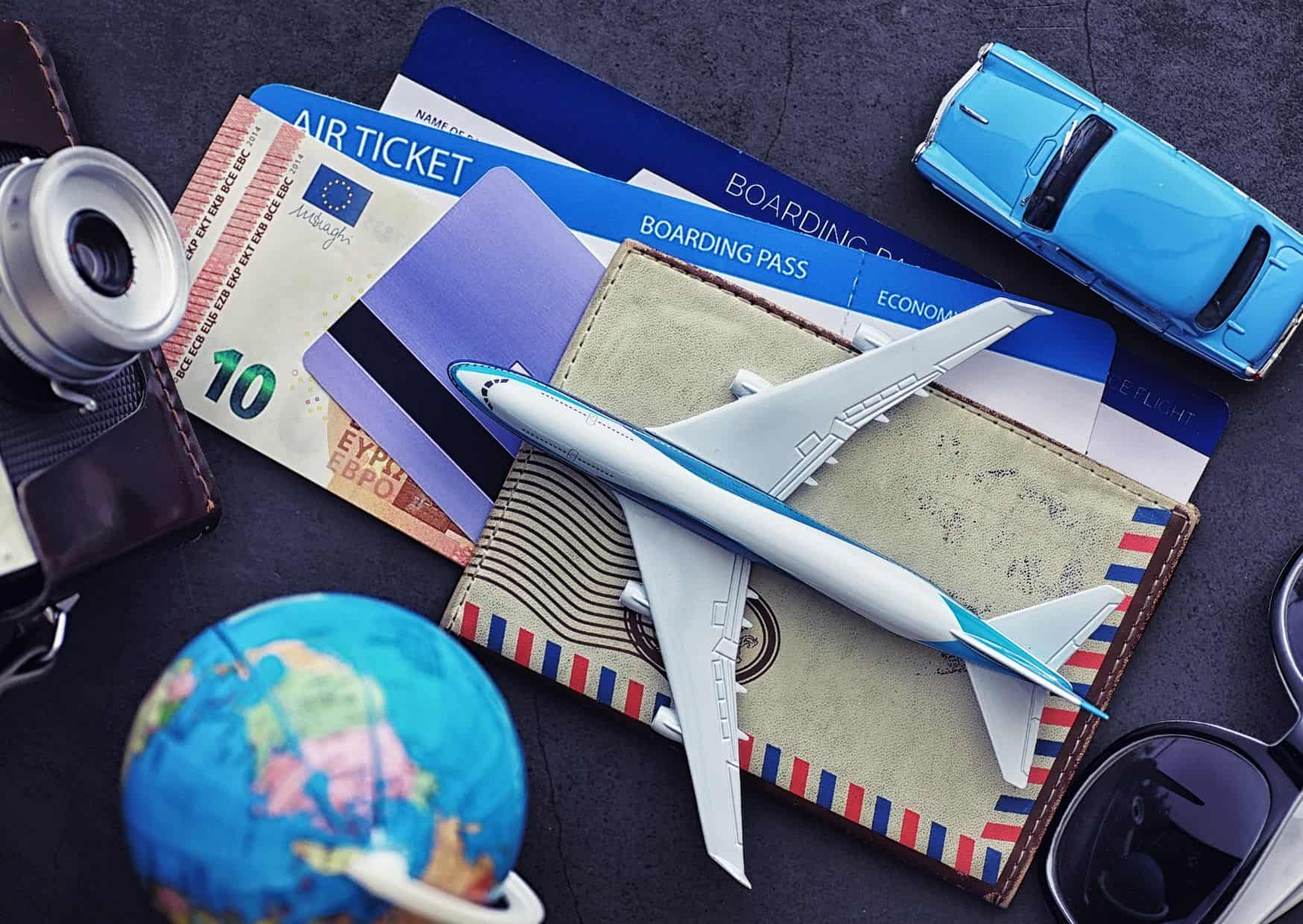
Tip: Accumulate frequent flyer miles through travel, credit card sign-ups, and spending. Many airlines offer business class upgrades or award flights using miles and points.
Strategy: Focus on one or two airline loyalty programs to accumulate miles more quickly. Consider using credit cards that offer significant sign-up bonuses and earn points on everyday purchases.
2. Look for Fare Sales and Promotions
Tip: Keep an eye on airline sales, special promotions, and discount events. Business class fares occasionally go on sale.
Strategy: Subscribe to airline newsletters, follow airlines on social media, and use fare alert websites like Secret Flying, The Points Guy, and Scott’s Cheap Flights.
3. Book in Advance
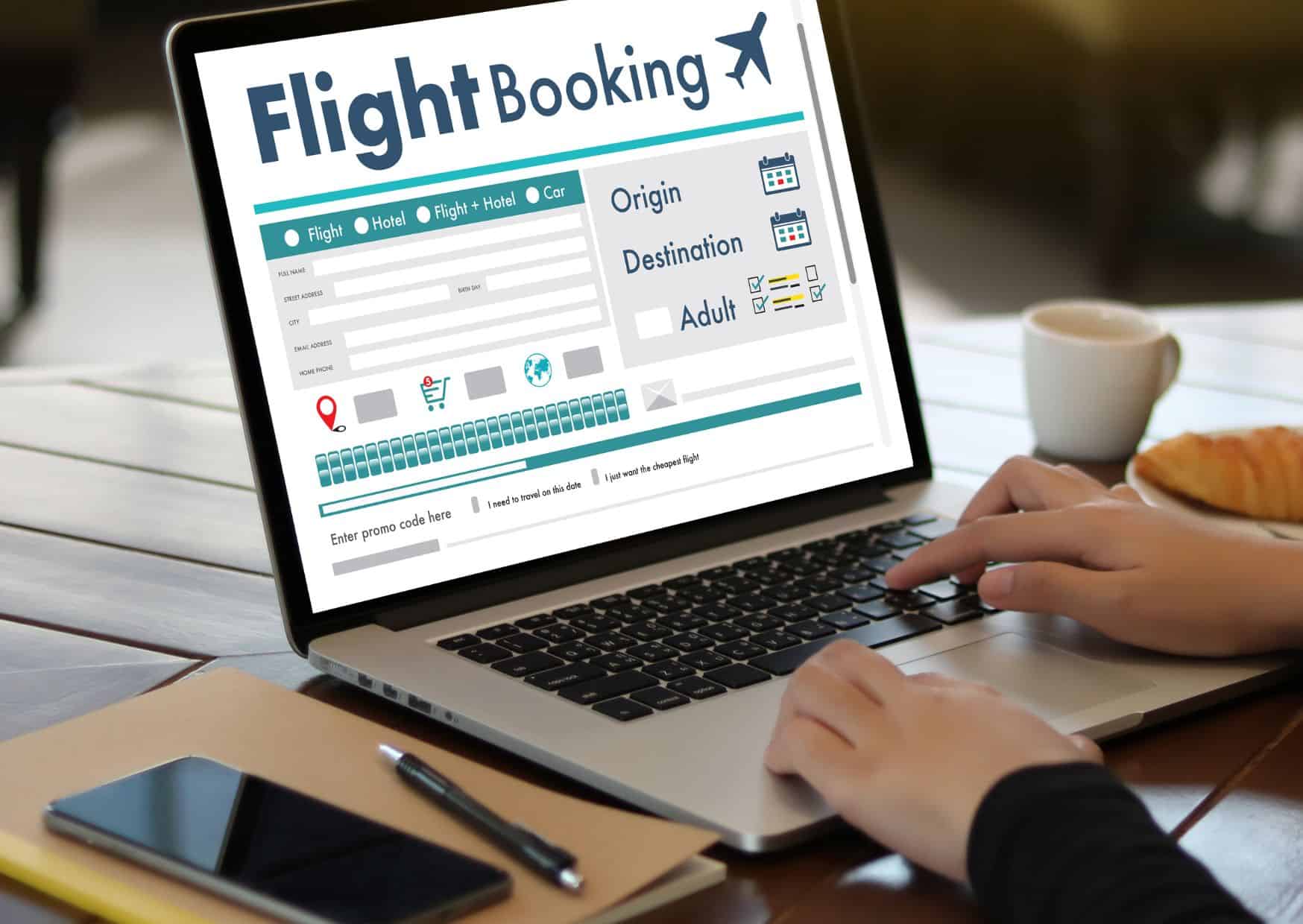
Tip: Business class fares are often lower when booked well in advance.
Strategy: Plan your trips early and monitor fares. Booking 6-12 months ahead can sometimes result in significant savings.
CLICK HERE TO BOOK YOUR ACCOMMODATION
4. Consider Alternative Airports
Tip: Flying from or to a nearby airport can sometimes result in cheaper business class fares.
Strategy: Check flights from different airports within a reasonable distance. Compare prices to see if there are substantial savings.
5. Travel During Off-Peak Times
Tip: Business class fares can be cheaper during off-peak seasons or times when business travel is lower.
Strategy: Fly during holidays, weekends, or mid-week, and avoid peak business travel periods such as Monday mornings and Friday afternoons.
6. Take Advantage of Airline Mistake Fares
Tip: Occasionally, airlines accidentally publish lower fares for business class seats.
Strategy: Use fare alert services and apps like Airfarewatchdog, Hopper, and Google Flights to get notified of mistake fares. Act quickly, as these fares don’t last long.
7. Use Online Travel Agencies (OTAs)
Tip: OTAs like Expedia, Skyscanner, and Kayak sometimes offer lower business class fares than booking directly with airlines.
Strategy: Compare fares across multiple OTAs and the airline’s own website. Look for special discounts or promotional codes offered by OTAs.
8. Bid for Upgrades
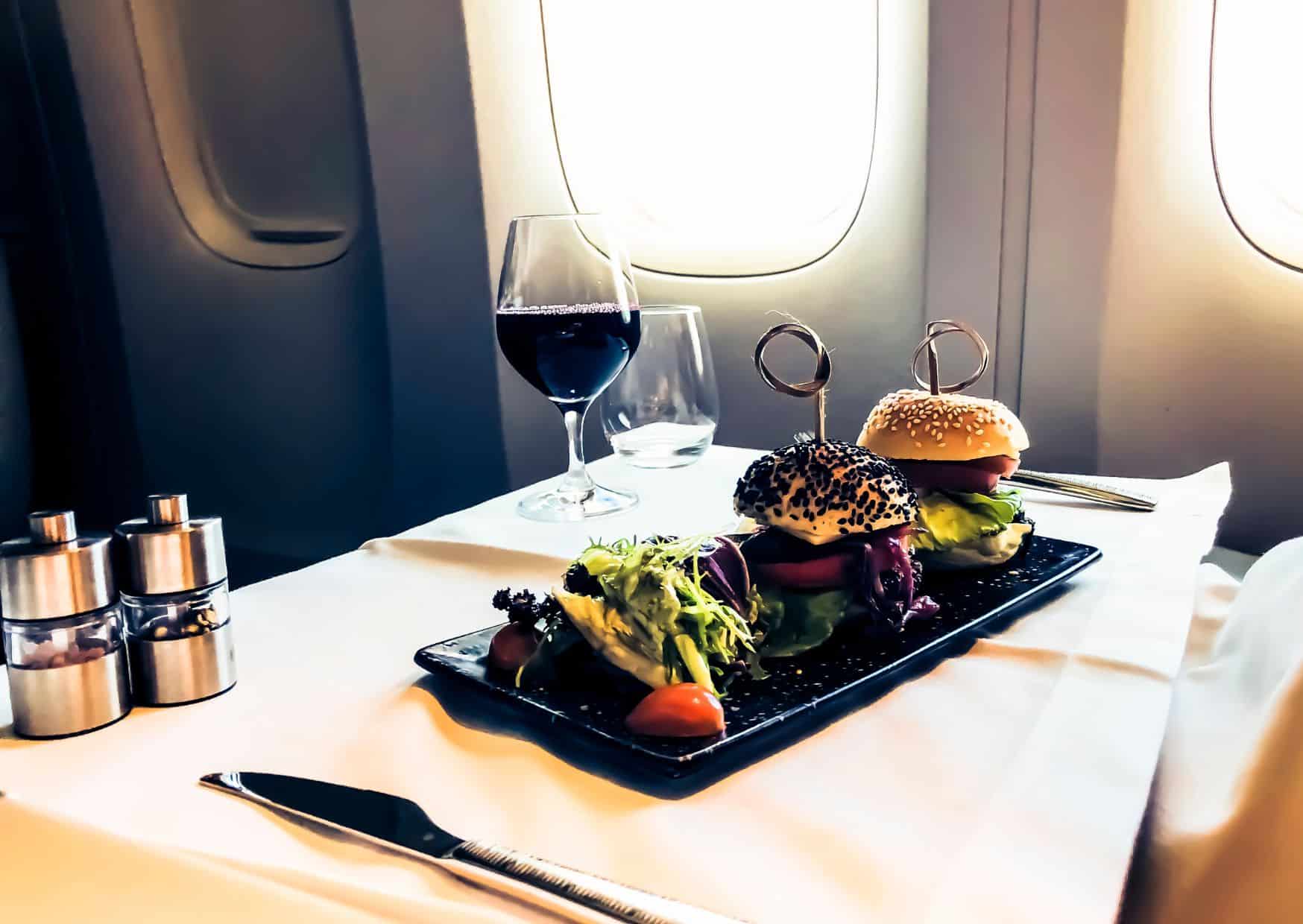
Tip: Some airlines offer upgrade auctions where you can bid for a business class seat.
Strategy: Check if your airline offers this service and place a reasonable bid. Platforms like Plusgrade facilitate these auctions for many airlines.
9. Leverage Airline Alliances and Partners
Tip: Use points or miles from one airline to book business class seats on a partner airline within the same alliance (e.g., Star Alliance, Oneworld, SkyTeam).
Strategy: Look for award availability and consider booking flights operated by partner airlines, which might offer better redemption rates.
10. Use Credit Card Travel Perks
Tip: Some premium credit cards offer travel perks, including business class upgrades, priority boarding, and lounge access.
Strategy: Consider cards like the Chase Sapphire Reserve, American Express Platinum, or Citi Prestige, which offer valuable travel benefits and points that can be redeemed for business class travel.
11. Split Your Trip into Separate Legs
Tip: Booking long-haul flights with separate tickets for different legs can sometimes be cheaper.
Strategy: Look for cheaper business class fares on different segments of your journey. For example, book economy for a short leg and business for the long-haul portion.
12. Check Upgrade Options at Check-In

Tip: Airlines sometimes offer discounted upgrades during online check-in or at the airport.
Strategy: Log in to your booking 24-48 hours before departure to see if any upgrade offers are available. Ask about upgrade options at the check-in counter.
13. Fly with New or Budget Airlines
Tip: Some newer airlines or budget carriers offer competitive business class fares.
Strategy: Research airlines like Norwegian Air, JetBlue Mint, and other low-cost carriers that offer premium services at lower prices.
14. Use Companion Fare Offers
Tip: Some credit cards and airline programs offer companion fare deals where a second passenger flies for free or at a reduced rate.
Strategy: Take advantage of these offers if you’re traveling with a companion, doubling the value of your business class purchase.
15. Join Travel Loyalty Programs
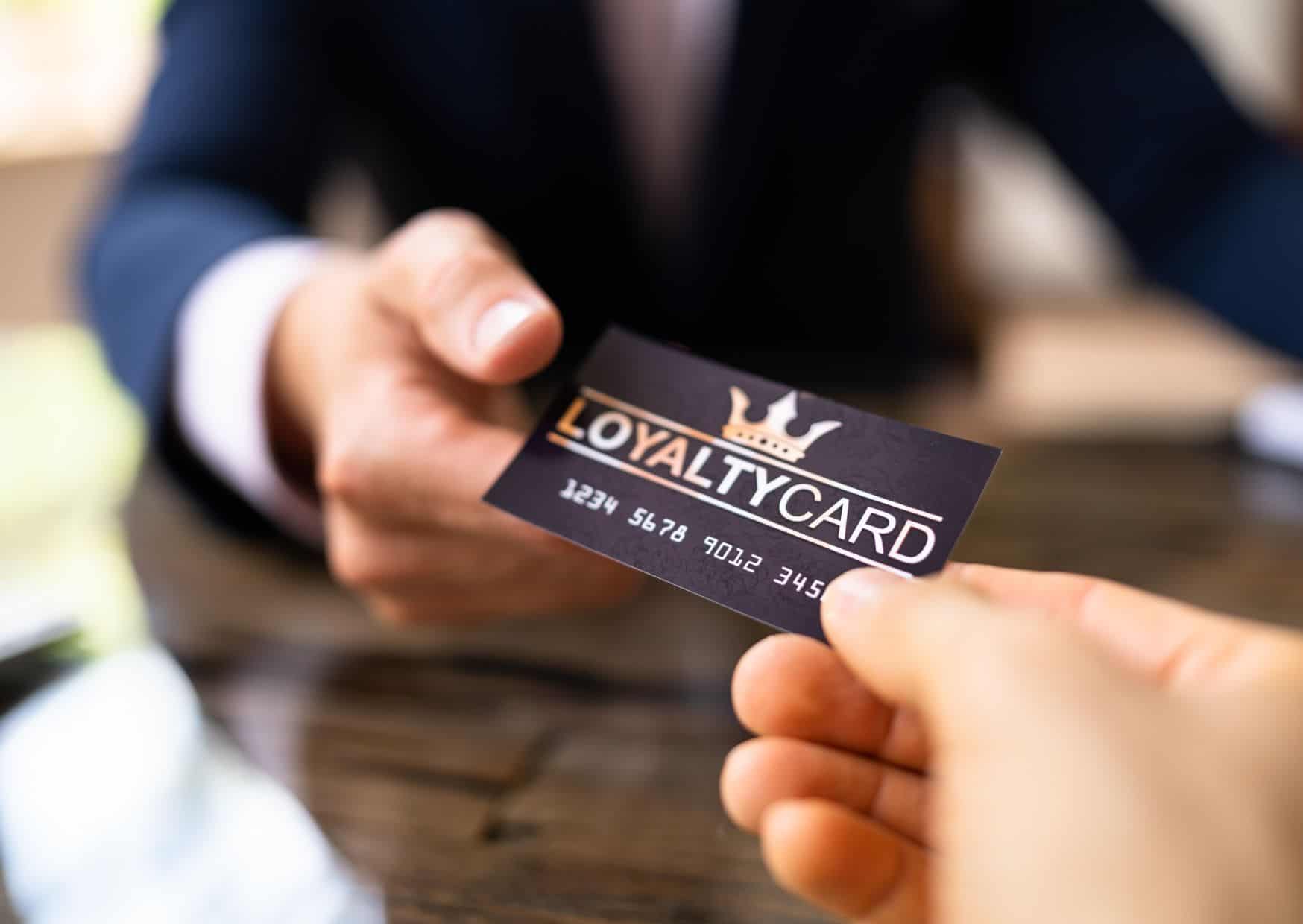
Tip: Enroll in airline loyalty programs to accumulate points and enjoy member-exclusive deals.
Strategy: Stay loyal to your preferred airlines to build up points and status, which can lead to free upgrades and discounted business class fares.
Why You Should Use These Travel Hacks
Learning strategic booking methods can dramatically reduce airfare costs. Many travelers assume business class is permanently out of reach, yet flexible dates, fare alerts, and smart routing often uncover prices far lower than expected. Understanding how airlines price tickets gives you leverage instead of leaving you at the mercy of standard rates.
Travel hacks can also maximize value from points and miles. Credit card rewards, airline loyalty programs, and transfer partners allow travelers to stretch accumulated points into premium cabin experiences. When used intentionally, these systems transform everyday spending into upgraded comfort.
Another advantage is improved travel comfort on long-haul flights. Business class provides lie-flat seats, priority boarding, and better service, which can reduce fatigue and improve productivity. For certain trips, the physical and mental benefits justify the strategic effort.
Planning smarter also encourages flexibility. Travelers who learn to compare routes, consider alternative airports, and monitor flash sales often discover broader travel options beyond a single destination. That flexibility can create better itineraries overall.
Finally, understanding airline pricing reduces overpayment. Even if you do not book business class every time, knowing when upgrades are reasonably priced prevents unnecessary spending and empowers you to make informed decisions.
Why You Shouldn’t Rely Too Heavily on Travel Hacks
Chasing deals can become time-consuming. Monitoring fares, managing reward programs, and tracking availability often require significant effort. The time invested may outweigh the financial savings for some travelers.
Credit card strategies also carry financial risk. Opening cards for bonuses without disciplined repayment can lead to debt that erases any travel benefit. Premium travel should never compromise financial stability.
Availability limitations create frustration. Award seats and discounted fares are not always available when you need them. Building plans around uncertain upgrades may complicate scheduling and increase stress.
Some hacks depend on flexibility that not everyone has. Work schedules, school calendars, and family commitments limit the ability to travel midweek or during off-peak seasons when deals are strongest.
Lastly, business class comfort is a luxury, not a necessity. For shorter flights, the difference may not justify the effort required to secure a discount. Focusing too much on premium seating can distract from the broader purpose of travel itself.
Final Thoughts
Flying business class for less is possible, but it usually requires patience rather than a single magic trick. The strongest strategies come from combining flexibility, points, fare monitoring, upgrade offers, and smart route selection.
It is also important to calculate the real value of the deal. A ticket that is technically discounted can still be expensive, and using a huge number of miles for a mediocre seat may not be the bargain it appears to be.
The best opportunities often come when you stop searching only from your home airport. A nearby city, different departure country, or positioning flight can sometimes change premium pricing dramatically.
At the same time, business class should not become another travel obsession. If chasing the deal requires inconvenient connections, excessive fees, or burning all your points, economy may still be the smarter choice.
In the end, the goal is not to prove that you can sit at the front of the plane. It is to recognize the rare moments when comfort, timing, and price line up well enough that business class actually becomes a good deal.

About the Author: Ruben, co-founder of Gamintraveler.com since 2014, is a seasoned traveler from Spain who has explored over 100 countries since 2009. Known for his extensive travel adventures across South America, Europe, the US, Australia, New Zealand, Asia, and Africa, Ruben combines his passion for adventurous yet sustainable living with his love for cycling, highlighted by his remarkable 5-month bicycle journey from Spain to Norway. He currently resides in Spain, where he continues sharing his travel experiences with his partner, Rachel, and their son, Han.
Abdullah Ibna Jafar
Saturday 1st of March 2025
This blog post is a goldmine for anyone dreaming of flying business class without breaking the bank! Packed with practical tips like using miles, booking early, and taking advantage of promotions, it’s a must-read for savvy travelers. Perfect for turning luxury travel into an affordable reality!