
It is the same pen. The same molecule, semaglutide, made by the same company, Novo Nordisk, in the same factories, sold in the same little weekly injector.
And yet an American without insurance pays close to a thousand dollars a month for it, while a European often pays under two hundred, sometimes under a hundred. Nothing about the product is different. The only thing that changes is the system it is sold into, and the gap between those two prices is one of the clearest, starkest windows there is into how differently the United States and Europe handle the cost of medicine. Here is what Ozempic actually costs on each side of the Atlantic as of October 2026, why the difference is so enormous, how the American picture is quietly shifting in ways that matter, and what all of it does and does not mean for a traveler or an expat. It is a price gap with a genuine lesson inside it, and a few honest caveats attached.
What follows is the two price tags, why the gap is so vast, how the US picture is changing, what it means if you are abroad, and the honest bottom line.
The Two Price Tags (Verified October 2026)
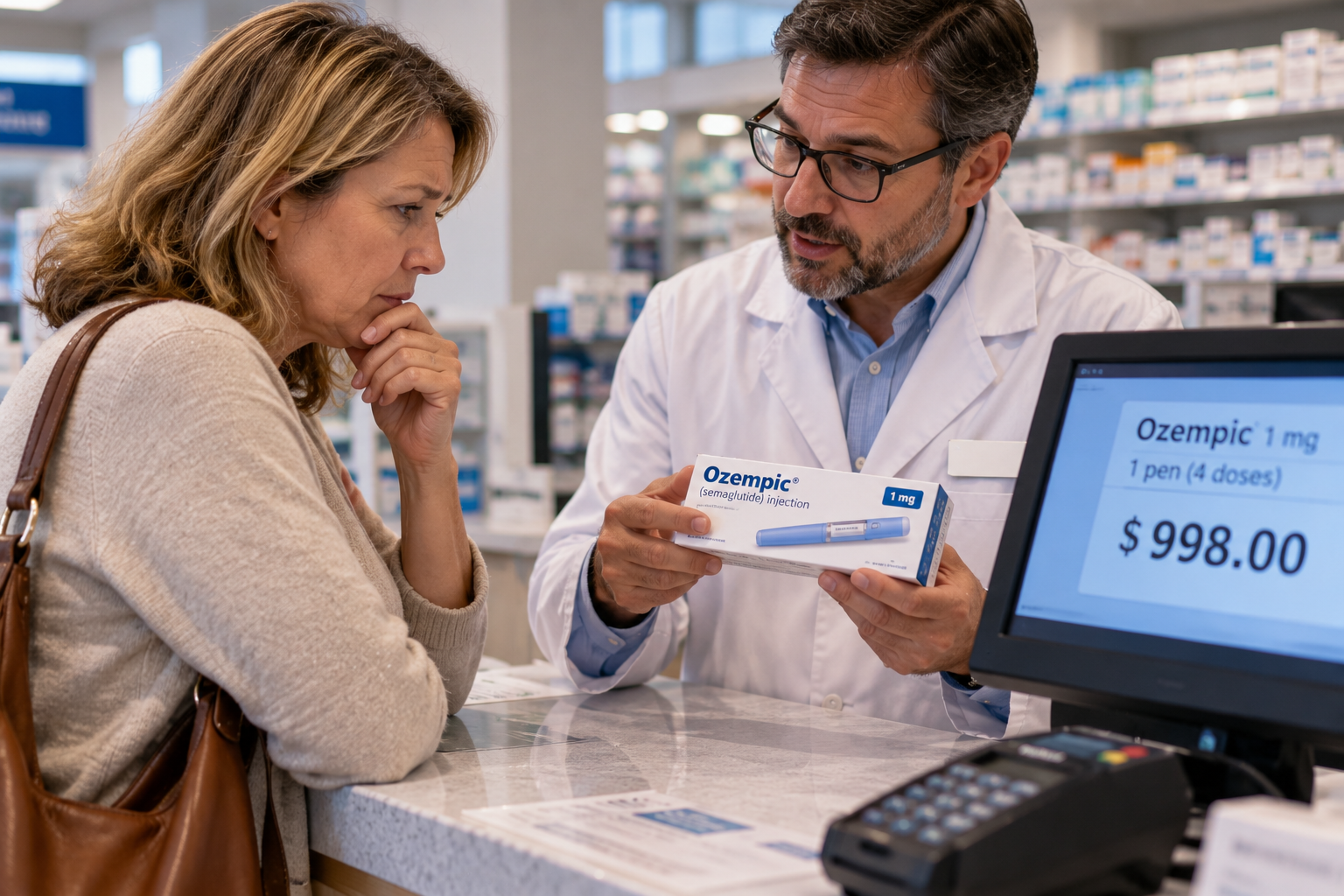
Start with the real numbers, because they are the whole story, and note that drug prices move fast, so these are current as of October 2026 and worth re-checking. In the United States, the list price of an Ozempic pen, the manufacturer’s published price, sits at roughly nine hundred and ninety-eight dollars a month, and an uninsured person paying cash at an ordinary retail pharmacy without using any special program pays close to that full amount, somewhere in the eight-hundred to eleven-hundred-dollar range. That is the number behind the headline, the price that greets an American who simply walks up to the counter.
In Europe, the same pen costs a fraction of that. Prices vary by country, but across most of Western Europe the retail cost lands well under two hundred dollars a month, and in some places far less: by recent figures Ozempic runs around sixty dollars a month in Germany, roughly ninety in the UK, and comparable modest amounts in Spain, France, and elsewhere. The same company, the same pen, the same dose, priced at something like a tenth of the American figure. For an American who has only ever seen the US price, the European number looks like a typo, and for a European who has only ever paid their own price, the American one looks like a cruel joke. Both reactions are entirely reasonable, because the difference is not a small markup to shrug at, it is a chasm, entirely a product of where the pen is sold rather than anything about the pen itself, which is manufactured identically for both markets. The factory does not know or care which country the pen is headed to; only the pricing system does, and the two systems could hardly be more different.
It Is Not Just Ozempic
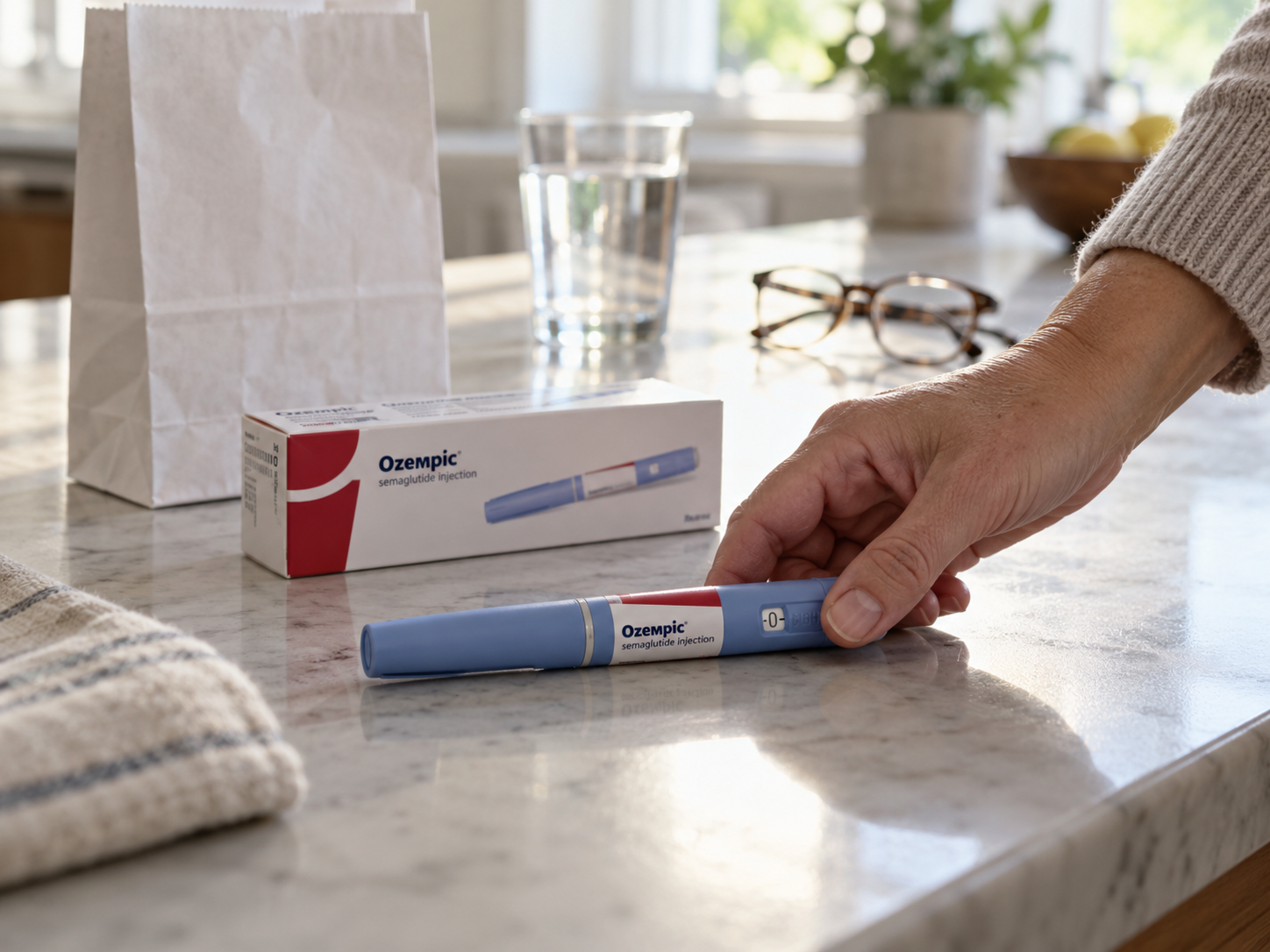
Before going further, it is worth knowing that this is not a quirk of one drug but a pattern across the whole category, because the same transatlantic math applies to the other medications in this family. Ozempic is the best-known name, approved in the US for type 2 diabetes, but its cousins show the identical gap. Mounjaro, the brand name for tirzepatide, and the weight-management versions of these drugs sold under other names all carry sky-high US list prices, often well over a thousand dollars a month at retail, against far lower European figures. The specific numbers differ from drug to drug, but the shape is always the same: a steep American price and a modest European one for the very same product.
That consistency is itself revealing, because it shows the price gap is not about any single company’s decision or any one drug’s particular situation. It is about the two systems, full stop. Whichever of these medications you look at, the same structural story produces the same result, which is exactly why understanding the mechanism matters more than memorizing the price of any one pen. If you are prescribed any drug in this class, expect the same pattern, a daunting US retail list price, a much gentler European one, and, increasingly, a set of American discount paths sitting in between that are worth hunting down. The lesson generalizes, and so does the advice: know the system, know your options, and never assume the first number you are quoted is the only one available to you.
Why the Gap Is So Vast

The reason comes down to a single structural difference in how the two systems buy medicine, and once you understand it, the whole thing makes sense. In most European countries, the national health system negotiates one price on behalf of the entire country, and because it represents every patient at once, it has enormous bargaining power and uses it to drive the price down hard. A drugmaker that wants access to that entire national market, with its millions of patients, has to accept the price the system is willing to pay or walk away from the whole country, which is why a pen costs roughly the same modest amount to essentially everyone in Germany or Spain, insured or not. The individual patient never has to negotiate anything, because their government already did it for them, at scale, and won. One buyer, one negotiation, one low price.
The United States does the opposite of this, by design. There is no central body negotiating a single national price, and instead the market is fragmented across countless insurers, pharmacy-benefit managers, and programs, with a high published list price sitting on top of a tangle of confidential rebates and discounts that middlemen capture in the gap between the list price and what anyone actually nets. The headline list price near a thousand dollars is in large part a US phenomenon, a number inflated by that system, and the person who ends up actually paying it is the one with the least protection: the uninsured or underinsured American at the retail counter, with no giant negotiator at their back. The same drugmaker simply charges each market what that market’s structure will bear, a perfectly rational business response, and the US structure, lacking a single powerful national buyer to push back, bears a great deal more than Europe’s does. It is less a case of anyone being singled out for punishment than of Americans lacking the collective negotiating muscle that Europeans wield automatically through their national systems. The pen is not more expensive to make for Americans; the American system is simply built in a way that produces a far higher price, and that single difference explains almost the entire gap.
The US Picture Is Quietly Shifting

Here is an important and encouraging update that the stark headline numbers miss, because the American side of this is genuinely in flux as of late 2026. While the retail list price remains near a thousand dollars, a growing set of cheaper paths has opened up for Americans who know to look for them, and the real amount many people now pay is well below the headline. The manufacturer’s own direct-to-patient program, NovoCare Pharmacy sells the pen to cash payers for substantially less than retail, in the range of a few hundred dollars a month depending on the dose rather than near a thousand. Americans with insurance and a savings card can pay as little as twenty-five dollars a month. And broader policy moves are pushing in the same direction, with the manufacturer having announced plans to cut its list prices in 2027 and new government-linked pricing arrangements emerging that aim to bring the headline numbers down further. The trend, for once, is in the patient’s favor, though it is early and the retail list price for now remains stubbornly high for anyone outside a program.
So the honest, current picture is more layered than the simple thousand-versus-two-hundred comparison suggests. The close-to-a-thousand figure is real, but it is increasingly the price paid only by those who pay full retail cash without using any program, while many Americans now access the drug for a few hundred dollars through the direct program or far less through insurance. This does not erase the transatlantic gap, because even the discounted American cash prices generally sit above the European retail price, and the system that produces that gap is unchanged. But it does mean that an American facing the intimidating thousand-dollar number should know, first and foremost, that it is very often not the price they actually have to pay, and that a little effort checking the manufacturer’s direct-pay program and their own insurance options can dramatically change their personal math, sometimes by hundreds of dollars a month. Accepting the retail sticker price without looking further is, for many people, simply leaving money on the table. The headline is a real number; it is just not the only one.
What This Means If You Are Abroad or Traveling

Because this is a travel and expat topic, the natural question is whether the price gap is something a traveler can simply exploit, and here honesty is essential: it is not a buy-it-abroad hack, and treating it as one would be a mistake. Ozempic is a prescription medication everywhere, in Europe exactly as in the United States, which means you cannot simply fly over and buy a cheap pen off the shelf; you need a valid local prescription from a local doctor, and pharmacies will not dispense it without one. On top of that, these drugs have at times faced supply shortages, countries have rules about dispensing and about carrying medication across borders, and buying prescription drugs from unregulated online sources is genuinely dangerous, with a real market in counterfeit and unsafe products that no price saving could justify.
So the practical, honest framing is this. If you are an American who legitimately uses Ozempic and you travel, your job is simply to manage and carry your own prescribed supply properly across the trip, not to shop for bargains at foreign pharmacies, which is a separate and genuinely useful logistics question, how to fly with the pens, keep them cool, and clear security, that is worth getting right on its own terms. The savings fantasy is a dead end; the travel logistics are not.
If you are an American expat who actually lives in a European country, you may genuinely be able to obtain it there through that country’s system at the local price, which is a real and significant benefit of living abroad, but that works only because you are a legal resident getting a legitimate local prescription from a local doctor, not because of any tourist loophole, and the specifics of who qualifies, which indication it is prescribed for, and what the public system does and does not cover vary by country and are very much their own detailed question. The expat advantage is real; the tourist shortcut is not. And if you are simply struck by the price gap, the most useful thing to do with it is not to plan a drug-buying trip but to understand it as a lesson in how US pricing works and to pursue the legitimate cheaper paths that exist within the American system. The gap is real and infuriating, but the answer is policy and knowing your options, not a suitcase full of pens.
The Honest Bottom Line
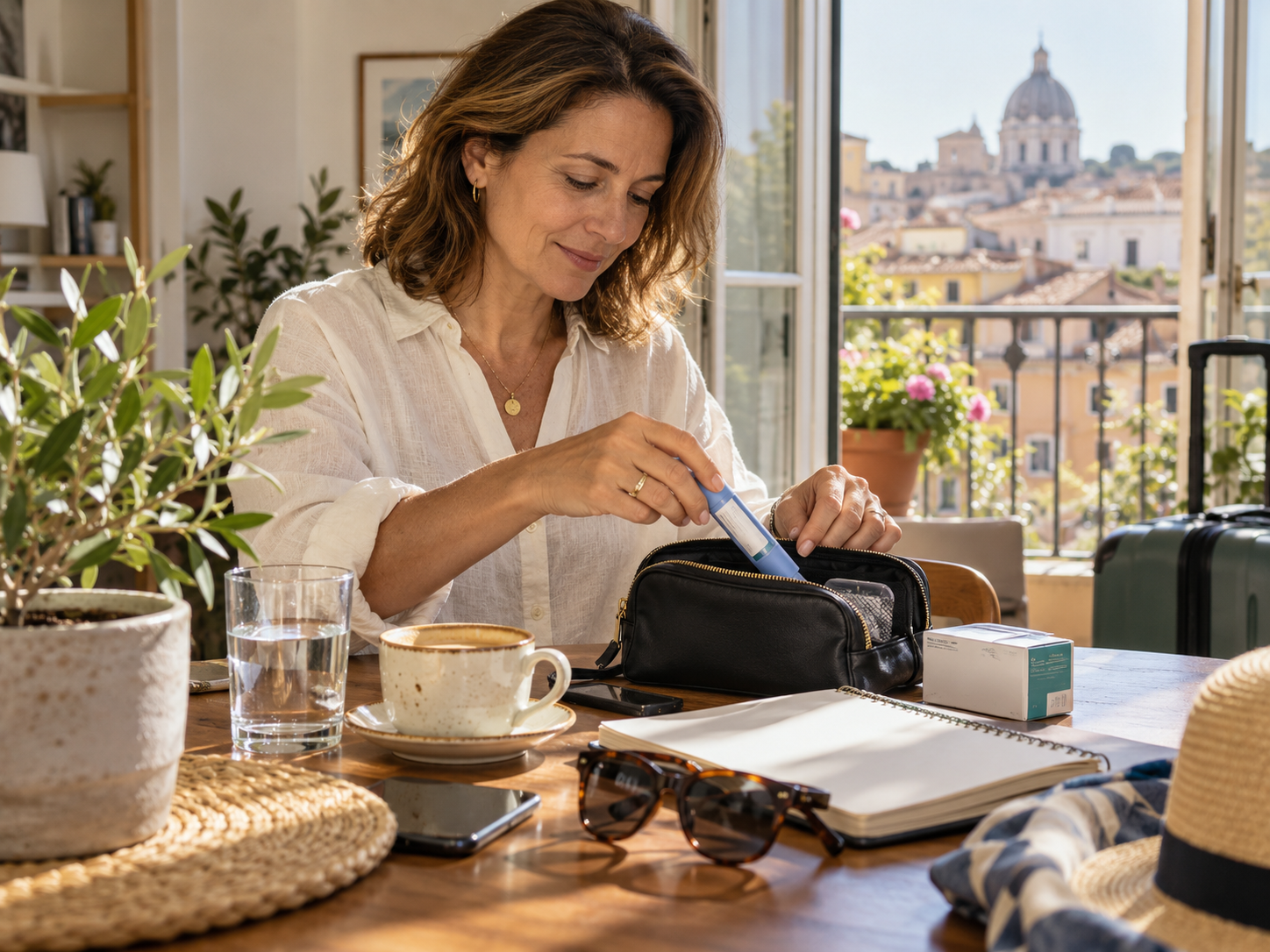
Strip it all down and the core truth is simple and worth holding onto. The same Ozempic pen costs an American far more than a European, not because of anything about the drug but because of the systems the two continents built to pay for medicine, and that difference, a central national negotiator versus a fragmented market with a high list price and middlemen in the middle, explains almost the entire gap. It is one of the purest, cleanest illustrations available anywhere of why the exact same healthcare, the identical pen in the identical hand, can cost wildly different amounts depending only on which country’s system you happen to be standing in when you reach for it. The drug is constant; the price is pure geography and policy.
For an individual, the useful takeaways are practical and worth repeating. If you are prescribed this medication in the US and staring at a thousand-dollar price, know that it is frequently not the price you have to pay, and look hard at the manufacturer’s direct-pay program and your insurance before accepting the retail number. If you live abroad, understand that the local price reflects local residency and local prescriptions, not a shortcut anyone can grab.
And whatever your situation, treat this as the systemic story it is rather than a bargain-hunting opportunity. None of this is medical advice, and none of it is a suggestion to start, stop, change, or source this or any medication in any particular way; these are prescription drugs, and every decision about them belongs between you and your own doctor and pharmacist. What this piece offers is only the honest math and the reason behind it, verified as of October 2026 and worth re-checking before you rely on any figure, because in this fast-moving corner of healthcare, today’s price is not guaranteed to be tomorrow’s.

About the Author: Ruben, co-founder of Gamintraveler.com since 2014, is a seasoned traveler from Spain who has explored over 100 countries since 2009. Known for his extensive travel adventures across South America, Europe, the US, Australia, New Zealand, Asia, and Africa, Ruben combines his passion for adventurous yet sustainable living with his love for cycling, highlighted by his remarkable 5-month bicycle journey from Spain to Norway. He currently resides in Spain, where he continues sharing his travel experiences with his partner, Rachel, and their son, Han.