
There is one mistake that American retirees moving abroad make more than almost any other, and it is also one of the most expensive, often costing them a staggering amount of money and a good chunk of their peace of mind. It is this: they buy a home in their first year. Swept up in the excitement of the move and the thrill of how cheap property looks compared to back home, they fall in love with a house, sign the papers, and commit before they have any real idea what living in that place is actually like. Then, often within a year or two, reality sets in, and a distressing number of them find themselves wanting out of a property they bought in haste, in a place that was not what they imagined, now facing the slow and costly nightmare of selling in a foreign market.
The fix is almost embarrassingly simple, and it is the single best piece of advice for anyone retiring abroad: rent for at least a year before you buy anything. Here is why buying in year one goes so wrong, how the loss quietly adds up into real money, why renting first is the single smartest move you can make, the emotional urge you will have to resist, and how to do the whole thing right. It is the most boring advice in the retire-abroad world and also the most valuable. The figures here are illustrative composites, not any single person’s story.
What follows is why year-one buying goes wrong, how the loss adds up, why renting first is so smart, why you might not want to buy at all, and how to do it properly.
Why Year-One Buying Goes So Wrong

The reason buying in your first year is such a trap is simple: you do not yet know the place, and you cannot know it, no matter how much you researched before you came. A vacation or a scouting trip shows you a destination’s best face; living there reveals everything the visits hid. Only after months of actually living somewhere do you learn the things that determine whether you will be happy: what the neighborhood is truly like at night and in the off-season, whether the winters are grayer or the summers hotter than you expected, how the daily practicalities work, whether the community suits you, and, most fundamentally, whether you even like living in this specific town, on this specific street, day after ordinary day.
When you buy in year one, you are committing a huge amount of money and locking yourself in place before you have learned any of that. You are, in effect, making an irreversible bet on a guess, and you are making it in the worst possible frame of mind, the giddy honeymoon high of a new adventure, when everything looks charming and every problem looks like a quirk.
That high always fades, as every high does, and when it does, a surprising number of people discover that the house they so lovingly bought is in the wrong town entirely, or the wrong part of an otherwise right town, or on a street that is charming at noon and grim at midnight, or simply that they do not actually want to live there at all once the novelty wears off. By then, undoing the decision is slow, costly, and painful.
The research that felt so thorough and responsible turns out to have missed the very things that only living somewhere actually teaches, and by the time those lessons arrive, the money is already committed, the property already owned, and the trap already sprung. You cannot un-know what living there taught you, and you cannot easily undo what buying there cost you. Buying first and learning second is exactly backward, and it is the root of the whole expensive mess.
How the Loss Adds Up Into Six Figures
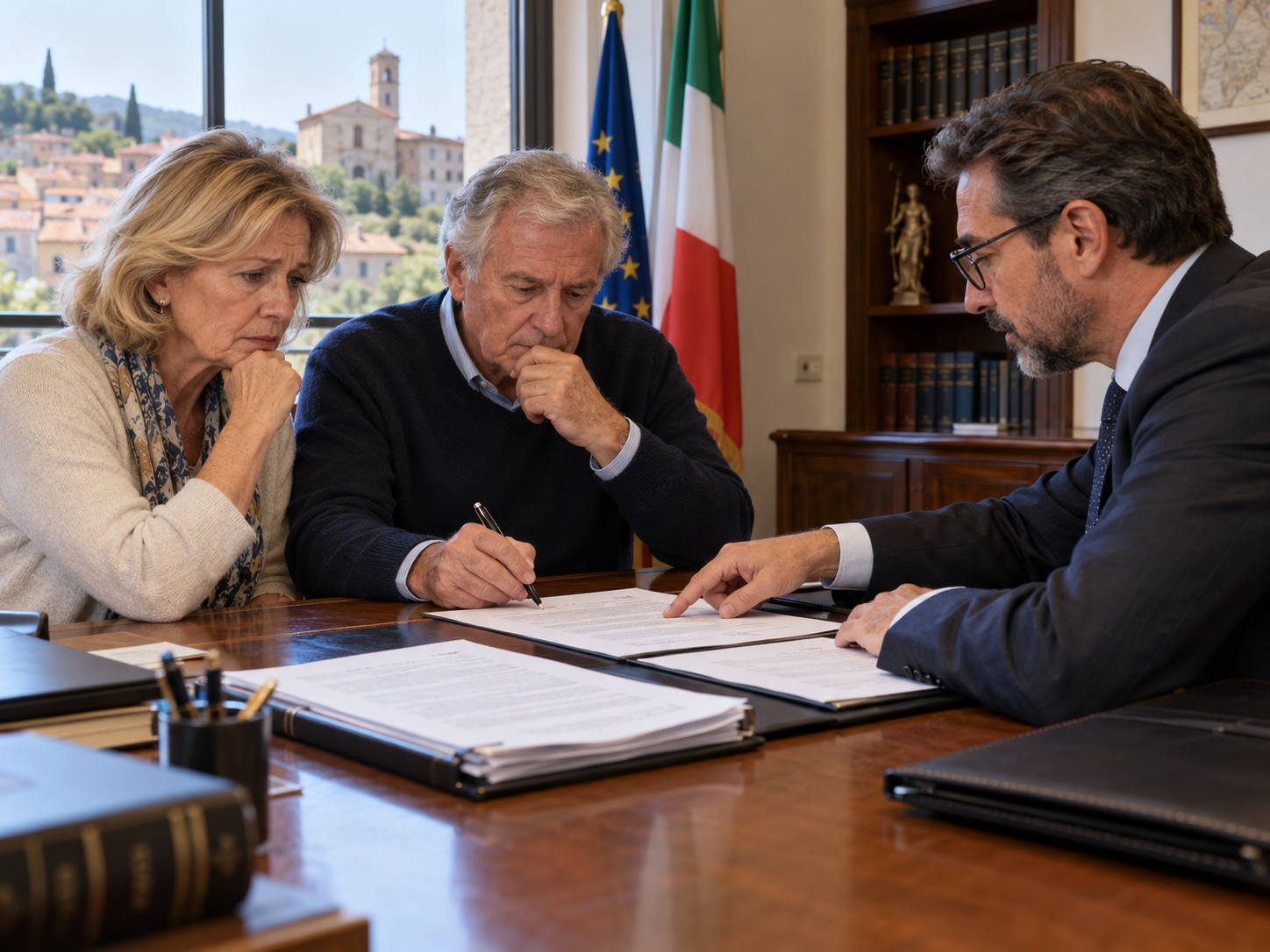
The scale of the financial damage surprises people, which is why it is worth walking through, using illustrative composite numbers rather than any real case. Imagine a retiree who buys a home abroad for a few hundred thousand dollars in year one, then realizes within a year or two that it was a mistake and decides to sell. The losses stack up from several directions at once. First, the transaction costs of buying were enormous and are gone forever: in many countries, the fees, transfer taxes, and legal costs of a purchase run well into the high single digits as a percentage of the price, so on a purchase in the low hundreds of thousands, tens of thousands of dollars simply evaporated the moment they signed.
Then comes the selling side, which is often worse. Property abroad can be illiquid and slow to sell, especially in rural or less-touristed areas, so the owner may sit for a year or more carrying the costs while they wait for a buyer, and may finally have to cut the price significantly to move it. In some countries, a quick resale also triggers steep capital-gains taxes with few of the reliefs that residents or longer-term owners enjoy.
Pile on top of that any money spent on renovations that do not come back in the sale price, the cost of two moves instead of one, and the sheer opportunity cost of having a large sum trapped in a bad asset, and the total loss can genuinely run into six figures, a three-hundred-thousand-dollar error being entirely plausible once everything is counted. It is genuinely one of the fastest ways to vaporize a large chunk of a hard-earned retirement nest egg, the kind of loss that reshapes the rest of your retirement, and the maddening part is that it is almost entirely avoidable with a single year of patience. Almost no one who loses this way had to; they simply bought before they knew better.
Why Renting First Is the Smartest Move

Against that backdrop, the wisdom of renting first becomes obvious, because renting converts an irreversible gamble into a safe, cheap, reversible experiment. When you rent, you get to actually live in the place and learn everything that buying-first hides, the real neighborhood, the real climate, the real daily life, the real community, before committing a cent of your capital to a property. You find out whether you love the town or merely liked the idea of it, whether you want the beach side or the old-town side, whether this country is truly home or just a nice long vacation, and you find all of it out while you are still completely free to change your mind.
And that freedom is the whole point. If the place turns out to be wrong, a renter simply does not renew the lease and moves on, having lost nothing but a year of rent they would have paid for housing anyway. A buyer in the same situation is trapped, bleeding money through the whole painful process of selling. Renting also buys you something subtler and valuable: time to learn the local property market from the inside before you ever participate in it, so that if you do eventually buy, you do it as a knowledgeable local rather than a wide-eyed newcomer, in the right area, at a fair price, understanding the taxes and the transaction costs and the resale realities. A year of renting is the single most valuable piece of due diligence available, and it costs a tiny fraction of the mistake it prevents.
You Might Discover You Do Not Want to Buy at All
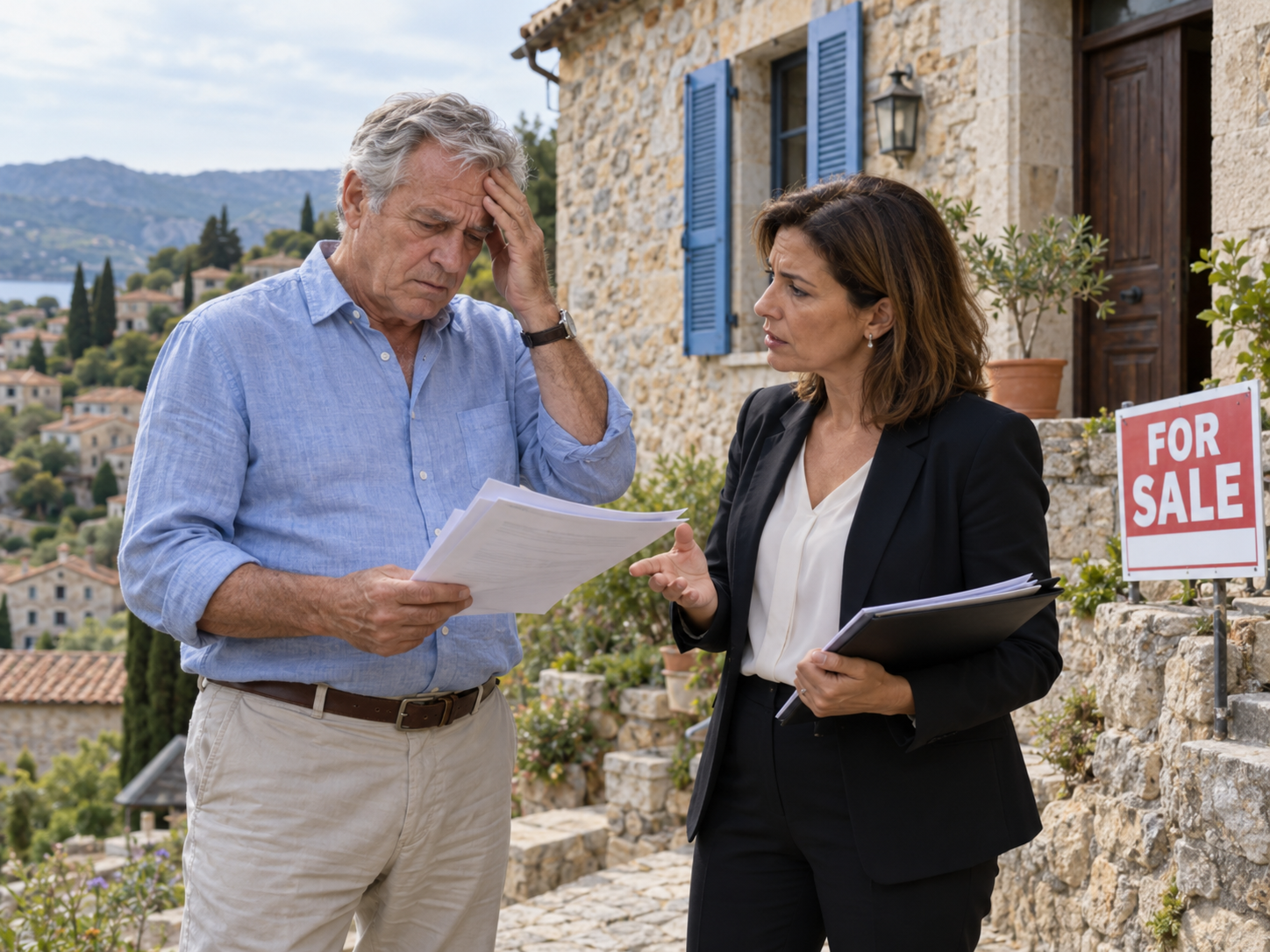
Here is the twist that often surprises people who went abroad certain they would buy: after a year or two of renting, many decide they do not want to buy at all, and are happier for it. Renting in retirement, which many Americans instinctively view as throwing money away, can actually be the smarter financial and lifestyle choice abroad, and plenty of contented expats never own a thing. As a renter you keep your capital free rather than locked in a single foreign property, you are free of maintenance, repairs, property taxes, and the headaches of foreign ownership, and you retain the priceless flexibility to move, to try a different town or a different country, or to go home, without having to sell anything.
In much of Europe, lifelong renting is entirely normal and carries none of the quiet stigma it does in America, where ownership is treated as a milestone of adulthood, and retirees there rent comfortably and securely into old age without feeling for a moment that they have failed at anything. Watching that can be quietly liberating for an American who always assumed owning was the only respectable option, and it opens up a flexibility that ownership can never offer. For an expat, that model often fits beautifully, because the whole appeal of the move was freedom and a new life, and ownership quietly works against both, tying down your money and your location at exactly the stage of life when flexibility is most valuable.
The goal was never to own a foreign house; it was to live a good life in a place you love. Sometimes buying serves that good life and sometimes it quietly works against it, and the only honest way to know which is true for you is to live there first as a renter and let the real answer reveal itself over months of ordinary days, rather than assuming from the very start, as most people do, that owning a home is the obvious destination. Keep the question open, and let the place answer it for you.
The Urge You Have to Resist

If renting first is so obviously wise, why do so many smart people buy anyway in year one? Because there is a powerful emotional pull in the other direction, and naming it is the first step to resisting it. Moving abroad is destabilizing, a leap into the unfamiliar, and buying a home offers the deep comfort of feeling settled, of planting a flag and declaring this is my life now. After the upheaval of selling up and crossing an ocean, the longing to be rooted again, to have a place that is truly yours rather than a landlord’s, is intense and completely human. Buying scratches that itch immediately, and renting leaves it unscratched a while longer, which is exactly why people talk themselves into buying before they should.
Layered on top of that is the particularly American conviction that renting is throwing money away and that owning is always the responsible, grown-up choice, a belief so deeply held that paying rent can feel like a personal failure. Add the genuine thrill of how affordable the property looks compared to prices back home, a bargain that seems too good to let pass, and the pressure to buy becomes almost overwhelming. But every one of these pulls is emotional, not rational, and each one is precisely what the discipline of renting first exists to counter. Recognizing the urge for what it is, a very understandable feeling rather than a sound financial signal, is what lets you set it aside and do the boring, prudent thing that your future self will thank you for. The people who get this right are not the ones who feel the pull less; they are the ones who feel it and wait anyway.
How to Do It Right
So the practical playbook is simple, disciplined, and slightly boring, which is exactly why it works. When you move abroad, rent, and rent in the specific area you are actually considering, not a convenient nearby town, because neighborhoods differ enormously. Rent for at least a full year, long enough to live through all four seasons, because the place in glorious summer and the place in gray February can feel like two different countries, and you need to know both before you commit. While you rent, live like a resident rather than a perpetual tourist, and pay deliberate attention to whether the daily reality genuinely suits you, not just the highlights.
Use that year as active research. Learn the local property market thoroughly from the inside, understand exactly what both buying and, crucially, selling would cost you in fees and taxes, which in many countries are far higher than Americans expect, talk to other expats who already bought and ask them honestly and specifically what they would do differently, and get a completely clear-eyed picture of the resale reality, how long homes take to sell and what they actually fetch, before you ever consider signing anything. That knowledge is the whole reward of the waiting year.
Then, and only then, if you are genuinely sure, from real knowledge rather than infatuation, that this is the place and this is the life, you can buy with confidence, in the right spot, at the right price, as someone who actually knows what they are doing. And if you are not sure, you simply keep renting, with all your options and your capital intact. The discipline of renting first is not glamorous and it requires resisting the very understandable urge to plant roots immediately, but it is the difference between a retirement abroad that works and one that turns into a six-figure cautionary tale.

About the Author: Ruben, co-founder of Gamintraveler.com since 2014, is a seasoned traveler from Spain who has explored over 100 countries since 2009. Known for his extensive travel adventures across South America, Europe, the US, Australia, New Zealand, Asia, and Africa, Ruben combines his passion for adventurous yet sustainable living with his love for cycling, highlighted by his remarkable 5-month bicycle journey from Spain to Norway. He currently resides in Spain, where he continues sharing his travel experiences with his partner, Rachel, and their son, Han.